Wine Wall Cost: Rack, Cooling, and Project Price Ranges

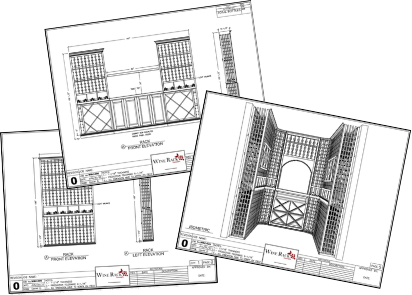
*Pictures are renderings. Actual wine racks may look different
Racking is only one part of a wine wall budget. Wine wall cost depends on the design, storage capacity, cooling system, materials, and installation scope, so a simple display and a climate-controlled cellar have very different requirements. Start by matching the wall and its environmental needs to the space and collection.
It's natural to focus first on the visible racks, but cooling and enclosure choices also shape the finished project. A display wall may suit a space without a dedicated climate-controlled environment; a cellar-style installation calls for a more integrated plan.
This guide explains how to plan a wine wall, what influences rack and cooling costs, and how project scope changes with the design. You'll see how passive displays differ from active cellars, how materials and climate control affect planning, and which details help shape a practical estimate. With those factors in view, you can compare options based on the space, collection, and look you want.
Key Takeaways
- Separate passive display needs from climate-controlled storage when estimating the project scope.
- Account for rack design, cooling, enclosure, materials, and installation as distinct cost factors.
- Match the system to the room and collection size; larger or more specialized projects involve different requirements.
- Consider ongoing energy use and routine upkeep alongside the initial design and installation.
- Professional design can coordinate the wine racks, cooling, and overall cellar plan around your space and storage goals.
Table of Contents
How does a professional build a wine wall?
A professional starts by matching the wall's purpose to the room, collection, and desired presentation. That choice determines whether the project is a passive showcase or part of a climate-controlled wine cellar.
Plan for rack layout, materials, enclosure, cooling, and any work needed to prepare the space. These choices shape wine wall cost and the finished storage experience.
Construction and Installation Expenses
Construction and installation costs cover the components and work needed to create a display or complete cellar. A wall-mounted rack and a climate-controlled room require different scopes of work.
Begin by assessing the available wall, room dimensions, collection, and access for installation. Match the layout to how you plan to use the space, from a compact home display to a larger custom wine cellar.
For a passive wall, installation centers on positioning and securing the rack system. Most wall wine racks can be mounted in under an hour, although project preparation and the specific wall design affect the overall work. A cellar installation can involve additional construction and cooling coordination.
The project price depends on its scope and is provided after a quote request. Room dimensions, rack capacity, materials, enclosure requirements, and cooling needs influence the estimate; a simple display and a fully integrated cellar are not comparable projects.
Material Costs and Ongoing Maintenance
Material choices affect the project's appearance and fabrication, while maintenance and energy use are ongoing considerations for a climate-controlled space. Plan for both the initial build and continued operation.
Consider how each material fits the room's design and rack configuration. Wood can complement a traditional cellar, while metal can suit a modern display. Glass can keep bottles visible within an enclosure. The combination you choose affects the design and installation scope.
Ongoing energy use belongs in the budget alongside the initial build. Cooling requirements and room conditions determine how the system is integrated.
After installation, routine care focuses on keeping the rack and enclosure in good condition and maintaining the cooling system according to its requirements. A professional plan can coordinate wine cellar cooling with the selected wall design, so the display and storage environment work together.
Installation details depend on the site. A reach-in display has different access needs from a walk-in cellar, while limited usable wall space may call for a compact layout. These conditions affect rack placement and how the finished project comes together.
Before construction, consider the collection and how you want to display or store bottles. A presentation-focused wall may prioritize visibility; a cellar layout may give more attention to storage and cooling. Defining the purpose early helps align materials, installation, and ongoing operation.
Wine rack and cooling system cost breakdown
A useful estimate separates the visible racking from the equipment and construction needed to condition the space. Capacity, layout, cooling type, and installation requirements all shape the project scope.
For the rack, start with bottle capacity and the wall's dimensions. A modular design can add storage in sections, while a fixed layout may suit a room with a defined collection and footprint. The Fusion Wine Wall range includes heights from 3 to 4 feet, with rack capacity varying by configuration. This makes the chosen arrangement as important as the rack material.
Depth also changes how many bottles a display can hold. An Ultra Fusion Wine Wall rack can hold 9-36 bottles, depending on its depth. The Ultra Fusion HZ Label-Out Wine Wall is described as storing 12 to 48 bottles. These examples show why a comparison should use both capacity and presentation style, rather than the rack's dimensions alone.
Cooling is a separate part of the breakdown. System type is selected around the enclosed space and its capacity, then integrated with the room design. Self-contained systems are associated with cellars measuring 250-800 cubic feet; ducted systems serve 800-1,500 cubic-foot spaces, while ductless split systems are used for 500-1,500 cubic-foot cellars. Those ranges help illustrate why the room volume matters before equipment is selected.
A small enclosed space and a larger custom wine cellar call for different cooling plans. Ducting, equipment placement, and acoustic goals can affect system design and installation. Commercial storage may also have different layout requirements from a residential display, so consider racking and cooling together.
Humidity is another consideration alongside the enclosure and cooling approach. The design should account for how the room will be used and how bottles will be arranged. A showcase wall focused on label visibility may need a different rack configuration from modular storage for a growing collection.
To make the cost breakdown useful, separate rack components, cooling equipment, and installation scope in the project estimate. Then compare options by bottle capacity, room volume, and system type. A wine wall design plan can help align those choices before the project moves forward, especially when a compact display and a climate-controlled space are both under consideration.
Project cost ranges by size and type
Budgets differ between a passive display and a complete climate-controlled cellar. Wine wall cost depends on the space, collection, materials, cooling, and installation scope. Comparing projects by type first helps clarify what shapes an estimate.
A passive display uses wine racks without a dedicated cellar cooling system. A compact wall can suit a dining area or wet bar, while a larger display can become a room's focal point. Scope depends on the rack layout, finish, and intended storage capacity. Installation and wall preparation also matter.
A climate-controlled wine cellar adds equipment and enclosure considerations beyond the racking. A small enclosed cellar has different requirements from a larger room with extensive storage. The design must account for cooling, ductwork where applicable, and how racks fit within the conditioned space. This is a broader project than a standalone wall display.
Custom wine cellars can range from practical storage rooms to architectural features. An under-stair gallery uses an existing area, while a spiral cellar involves excavation and specialized construction. An all-glass wine room emphasizes visibility and can require a coordinated enclosure, racking, and climate plan. Each format changes the installation scope and the materials involved.
Capacity and presentation also shape the design. A wall for showcasing selected bottles may use presentation rows, while a collection-focused layout can prioritize storage. Cable wine racks create a different visual effect from white oak wine racks, and the material affects the design. Lighting, access, and the room's existing structure also distinguish one custom project from another.
For a useful estimate, define the project type before comparing budgets. Decide whether you want a passive display, an active cellar, an under-stair gallery, or an all-glass room. Then identify the collection, rack style, enclosure needs, and cooling requirements. This gives the estimate a clear basis and avoids comparing dissimilar projects.
The price depends on the space, capacity, racking, materials, cooling, and installation requirements; the exact figure is given in a quote for your case. A custom wine cellar design brings those choices together when the project extends beyond a standalone display.
How much do wine wall materials cost, including glass, metal, and wood?
Material choices shape a wine wall's appearance and project scope. Glass, metal, and wood each create a different visual effect, and the combination influences fabrication, installation, and how the display relates to the room.
The enclosure and its framing affect the materials budget. Material costs vary by room and design, so an example should not be treated as a quote for every project.
Frameless glass gives a clear view of the bottles, while steel framing creates a defined outline. In an all-glass wine enclosure, the enclosure itself becomes part of the display. Room dimensions, layout, and the extent of glazing all affect material planning.
Metal wine racks offer another design option. Their profile can suit a contemporary display, while the configuration determines how the racks fit the wall and collection. Material scope depends on the selected rack design, intended storage capacity, and whether the project includes glass or other enclosure elements.
Wood brings a warmer, more traditional appearance to a cellar. White oak, for example, can complement custom cabinetry and architectural woodwork crafted by high-end joinery studios such as Eben&Or. The materials needed depend on the amount of racking, its design, and the chosen finish. A compact feature wall and a full-room installation require different layouts.
Compare materials as part of the complete design, not as isolated samples. Pairing a glass enclosure with metal racking creates a different look and material scope from installing wood racks against a finished wall. The room's architecture, bottle presentation, and desired storage capacity guide the decision.
Installation also affects how materials are used. A glass enclosure needs to be coordinated with its opening and surrounding space, while wall-mounted racks must fit the planned layout. These requirements influence fabrication and installation, so a material estimate should reflect the project's dimensions and configuration.
To compare options, identify the material for the enclosure, rack, and any framing separately. Then consider how each choice suits the collection and room design. Comparing the specifications of frameless and steel-frame glass, for example, shows why material details matter before setting a project budget.
What ongoing maintenance costs and risks come with a wine wall?
A passive wine wall has fewer operating needs than a climate-controlled cellar, where cooling equipment adds energy use and maintenance. Budgeting for routine care and equipment upkeep gives a fuller picture of ownership beyond installation.
System type and room conditions influence energy use, so consider this ongoing expense separately from the initial project budget. A compact cellar and a larger conditioned room will have different operating demands.
This annual allowance covers recurring upkeep rather than a specific repair or equipment replacement. The amount depends on the system and the maintenance it requires, so a cellar's ongoing plan should reflect its installed equipment and use.
Cooling equipment adds considerations that a passive display does not have. If a system is not operating as intended, storage conditions may be affected. Ducted and split configurations also include components beyond the visible racks, making attention to the full system important.
A practical maintenance review considers the cooling unit, its controls, and the enclosure. Changes in system operation or visible wear around the room deserve attention. The appropriate response depends on the equipment installed and the issue observed.
Rack and enclosure care matter too. Look for loose fittings, visible damage, or changes in alignment that could affect bottle support. In a glass-enclosed display, the enclosure and door operation are also part of routine observation. Check the installed components, not just the bottles on view.
Maintenance needs differ by project type. A passive wall mainly involves the rack and its attachment points, while a climate-controlled cellar includes cooling equipment and room conditions. A larger ducted installation also differs from a self-contained unit, so tailor the maintenance plan to the system.
Include energy use and maintenance alongside the initial project estimate. Then consider how the cooling system, enclosure, and rack layout affect routine care. This comparison clarifies the ongoing responsibilities of a passive display versus a conditioned cellar.
Wine Rack Concepts
Wine Rack Concepts, LLC brings rack design, storage, and cooling together in custom wine cellar projects. If you're weighing a wall display against a custom cellar, its wine racks and wine cellar cooling can help align the layout with your collection and room. The Wall Wine Rack Series offers an option for a dedicated display, with cooling for projects that call for a conditioned space.
Turn to Wine Rack Concepts, LLC when you're ready to shape a design around your room, collection, materials, and storage goals. These details are a practical starting point for defining the project scope.
Contact Wine Rack Concepts, LLC to discuss your wine wall plans.
Shape a Wine Wall Around Your Collection
The next step is to turn your preferred look into a clear project brief. Consider how you'll use the room, which bottles you want to display, and whether the collection may change over time. These decisions help frame wine wall cost around your priorities rather than a generic setup.
The exact price depends on the space, design, materials, storage capacity, cooling requirements, and installation scope. A project-specific quote brings these factors together so you can assess the options and their fit.
Wine Rack Concepts can help translate your ideas into a coordinated plan for wine racks, cellar cooling, or a custom wine cellar. A conversation about the room and your collection is a practical way to move from broad estimates toward a design that feels considered and personal.
With a thoughtful plan, your finished space can reflect both the character of your collection and how you enjoy it.
Frequently Asked Questions
What is the average cost per square foot for a wine wall?
A per-square-foot average can be misleading because walls of similar size may have very different scopes. A rack-only display differs from a glass enclosure or a temperature-controlled cellar. For a useful comparison, define whether the estimate includes racking, construction, enclosure, cooling, and installation. Then compare projects with similar storage needs and specifications, rather than dividing unlike totals by wall area.
What factors affect the cost of a custom wine wall?
Key factors include construction, insulation, doors and enclosure, lighting, cooling equipment, labor, and racking selection. The design also depends on the collection and available space. A wall built into an existing room, for example, has a different scope from a complete cellar with custom finishes. A detailed project brief helps separate essential storage needs from design choices.
How much does a temperature-controlled wine wall cost?
A temperature-controlled project's scope depends on the room, construction, cooling configuration, racking, and finishes. A compact cellar and a fully customized architectural space represent very different builds. Use the published cost range as broad guidance, then base your quote on the design and room requirements.
What are the installation and labor costs for a wine wall?
Installation and labor depend on the work required beyond mounting the racks. A display involves a different scope from a cellar that needs framing, insulation, an enclosure, and coordinated cooling. Existing room conditions and access also affect the work. An estimate should identify the construction and installation tasks it covers, so you can distinguish rack installation from work on the surrounding space.
How much does wine wall lighting and climate control add to the price?
Lighting and climate control add scope based on the design and selected equipment, not a universal add-on amount. Plans may include IC can lights, while cooling may use a self-contained, ducted, or ductless system. These choices affect equipment and installation requirements. Consider lighting placement alongside rack visibility, and coordinate cooling with the room design.
What does a wine wall cost in the United States by size and design?
Wine wall cost in the United States varies with project size and design, from rack-focused displays to complete custom cellars. A larger room, glass enclosure, custom finishes, and integrated cooling change the scope. Residential and commercial storage may also call for different layouts. Compare estimates by what they include, such as racking, construction, lighting, and climate control, rather than by design label alone.
Have an expert help today!
Free 2D wine cellar design