Wine Displays for Restaurant Entrances and Interiors

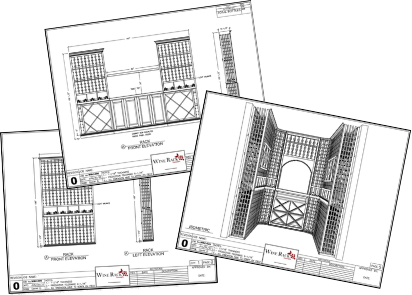
*Pictures are renderings. Actual wine racks may look different
A restaurant's wine display can shape the guest experience before the first dish arrives. A wine display for a restaurant entrance should complement the room's design, catch the eye without obstructing guest flow, and make the collection practical to access and store.
The right display does more than provide a decorative backdrop. Its scale, materials, finish, lighting, and placement determine how it fits the restaurant, whether it welcomes arriving guests or becomes a focal point farther inside. It also needs to work for staff and suit the wines on view.
This guide explains how to match a display to your restaurant's interior, choose materials and finishes, and turn the wine collection into a considered centerpiece. It also covers commercial storage needs, including access, placement, and cooling, so the design combines atmosphere with function.
Key Takeaways
- Align the display's scale, placement, and visual character with the restaurant's design while keeping guest flow and staff access in mind.
- Use bottle arrangement, negative space, and considered lighting to make the collection a focal point without overwhelming the room.
- Plan commercial storage around service needs, with frequently ordered bottles easy for staff to reach.
- Choose materials and finishes that complement the interior and create a cohesive look, from warm wood to glass and metal.
- Consider how display style and wine storage needs work together when shaping an entrance feature or interior wine wall.
Table of Contents
Matching the display to the restaurant's design
A successful entrance display connects the restaurant's interior, wine service, and guest circulation. Designers begin with the room's materials and layout, then shape a wine cellar feature that supports daily operations.
Glass, Metal, and Wood Designs
Glass keeps bottles visible from the entrance and dining room, while metal creates a crisp, contemporary look. Wood brings warmth to traditional interiors and can echo millwork near the host stand-a quality often realized through bespoke cabinetry and interior woodwork from specialists like Bois & Design. Five Spice restaurant used custom steel hardware and a library ladder for its wine display, making practical access part of the design. When comparing materials, consider how each relates to the flooring, lighting, furniture, and nearby finishes.
Custom Entrance Display Design
Custom wine display design starts with the entrance dimensions, sightlines, collection, and service routine. Map the host stand, doors, kitchen route, and guest seating before deciding on the display's position and proportions. In a restaurant with limited wall space, a vertical arrangement can make use of height; a glass enclosure can define a separate wine cellar area. Keep premium bottles visible and frequently served selections accessible to staff.
Curb Appeal and Guest Experience
A display visible through front windows can establish the restaurant's character before guests enter. Inside, aligned labels create an orderly presentation, while sculptural groupings add movement. Both benefit from deliberate negative space. Soft, ambient LED lighting can highlight bottles without producing heat. Consider views from the sidewalk, entrance, and dining tables so the lighting and bottle placement work from each angle.
Building, fire, accessibility, and egress requirements depend on locally adopted codes and the entrance layout. In the United States, the Electronic Code of Federal Regulations states that glazing used in doors falls under the Safety Standard for Architectural Glazing Materials, 16 CFR Part 1201. A display plan should preserve clear circulation and accessible routes.
Liquor licensing requirements vary by state and locality. Plan the display around the restaurant's licensed premises and any conditions attached to its alcohol service.
Wine displayed prominently still needs suitable storage conditions. Restaurant wine storage guidance recommends consistent temperatures of 55-58 °F and controlled humidity around 60-70%. Soft LED lighting helps limit heat from display lighting, while wine cellar cooling can support a climate-controlled design.
To protect bottles near an entrance, consider an enclosed glass display positioned within staff sightlines. Keep bottles away from direct sunlight, door impacts, and high-traffic paths.
Plan for easy access to shelves, glass panels, and lighting during routine cleaning. Position the display so staff can reach bottles and clean visible surfaces without blocking the host stand or guest route.
Making a wine rack a visual centerpiece
A glass wine wall keeps bottles visible across a broad surface, while freestanding racks create a distinct focal point. An open wall offers a lighter, more architectural display. An enclosed cabinet provides protection and is better suited to temperature control; freestanding racks can stand alone as design features.
Professionals shape the centerpiece around the restaurant's collection, available space, and service patterns. For a tailored layout, custom wine display design can bring those requirements together.
Rack Styles and Configurations
Commercial options include wall-mounted racks, freestanding structures, modular systems, and glass-enclosed wine rooms. A wall configuration uses vertical space, while a freestanding rack can divide a room or anchor a dining area. Choose a format based on the collection, staff access, and whether the display needs enclosed protection.
Match the display's role to the room. A display beside a tasting area may prioritize visibility, while a rack near service should make bottle retrieval convenient. Rather than filling every opening, leave deliberate space around selected bottles to create a curated look and allow the arrangement to evolve with the collection.
Entrance Display Ideas
To arrange wines effectively, consider the restaurant's collection, featured menu pairings, and service priorities. Provide an inventory or representative bottle selection, along with details about popular pours and how staff serve them. This helps determine which labels face guests and which bottles stay within easy reach.
Labels aligned in rows create a composed, library-like effect; sculptural groupings add movement. Deliberate open space can make a collection feel curated rather than crowded. For example, a restaurant might group sparkling wines by country or region, then place featured pairings near the entrance display.
Lighting and bottle placement refine the focal point. Soft LED lighting can draw attention without overwhelming the room, while accessible shelves help staff retrieve popular wines. Consider sightlines from the entrance and dining tables so the composition works from different viewpoints.
Commercial wine rack pricing depends on the project's dimensions, materials, configuration, and storage requirements; pricing is provided after a quote request. Those same factors influence fabrication choices and how the display integrates with the restaurant's interior.
A centerpiece can also be planned around the scale of the collection. The Phoenix Country Club restaurant wine-locker centerpiece holds about 1,100 bottles, while a private dining room wine cellar display is described as holding 2,448 bottles. These examples show how a display can serve as a defining visual element as well as a place for the collection. In either case, clear bottle groupings and deliberate open areas can help a large installation feel composed rather than visually dense.
Listed prices offer another point of reference when planning a display. Consider them alongside the room's intended role, the desired visual presence, and the collection on show. A well-planned focal point balances visibility with the character of the dining space, so the rack feels integrated rather than added as an afterthought.
Commercial wine racks for restaurants and wine businesses
Commercial wine storage must serve two purposes: protect the collection and support fast, accurate service. Fogo de Chão Restaurants use glass wine display cabinets designed to hold 1,692 bottles, showing how a substantial collection can become part of the guest experience.
Capacity alone doesn't determine a useful layout. A professional considers the bottle mix, service frequency, available wall space, and whether staff need access from one or both sides. A restaurant display described as holding 1,046 bottles illustrates another planning scale. The arrangement should reflect how the venue uses its collection, rather than treating every bottle as a decorative object.
Different commercial rack formats serve distinct roles:
- Wall-mounted racks use vertical surfaces and keep bottles visible without occupying a large floor area.
- Freestanding racks can define a wine feature between dining zones or near a service area.
- Glass-enclosed cabinets place bottles on display while creating an enclosure around the collection.
- Cable systems create an open presentation, while traditional racks give bottles a more structured setting.
For efficient service, place frequently ordered wines at accessible heights or near service areas. This can shorten staff routes during busy periods and make popular labels easier to identify. Less frequently poured bottles can go elsewhere in the display, keeping everyday selections distinct from special-occasion wines.
Lighting can reflect the restaurant's schedule. Warm lighting may suit daytime dining, while color effects can shift the atmosphere at night. Coordinate lighting with bottle visibility and existing fixtures so the wine feature remains legible without competing with menus, artwork, or table settings.
Capacity examples help frame the relationship between storage and presentation. Fogo de Chão's glass display cabinets accommodate 1,692 bottles, while a separate restaurant storage display is described at 1,046 bottles. These figures aren't targets for every venue. The practical capacity depends on the collection, the space available, and how much inventory staff need close to service.
Before finalizing a commercial rack plan, organize the details that shape daily operations: bottle inventory, popular orders, service routes, and the intended display location. Then match the rack configuration to the priorities, including whether the wine storage should serve as a visible feature, a working service point, or both. This process helps the finished installation support dining and everyday bottle handling.
The Wine Wall Nine Row 3 Column is listed with a capacity of 27-81 bottles, while the Wine Wall Nine Row 2 Column is listed with a capacity of 18-54 bottles. The Vino Pins - Double Deep rack is listed to hold 2 bottles. These capacities provide different reference points when matching a rack format to a collection and its intended display space.
Choose a rack based on the service routine as well as the bottle count. Keeping high-demand wines within easy reach during peak hours supports quick retrieval; assess other display choices against the venue's available space. Listed capacity is a starting point, not a substitute for matching the rack to the collection and daily workflow.
Wine display materials and finishes
Material selection determines how a wine display relates to the restaurant's architecture, furnishings, and collection. Start by comparing existing surfaces, then choose complementary materials for the frame, bottle supports, and visible backing. For example, a warm wood interior can carry wood racking into the entrance, while a contemporary dining room may suit metal and glass.
Wood adds visual warmth and can connect a display with millwork, tables, or ceiling details. Five Spice restaurant used Mahogany Sapele for a built-in, floor-to-ceiling wine display and racking system. That example shows how a selected wood can give a large installation a unified appearance. A finish can emphasize the grain or create a more subdued surface, depending on the room's palette. Explore wooden wine racks for a material direction that suits a warmer interior.
Metal can create a clean, industrial character, especially alongside stone, concrete, or dark finishes. Its visual effect depends on the rack's profile, spacing, and finish. Coordinate these details with existing hardware and lighting so the display feels intentional, not like separate equipment. In a restaurant with metal-framed windows, matching the rack's visual language to the frames can create continuity.
Glass keeps bottles visible while preserving sightlines between the entrance and dining area. An all-glass enclosure can make the collection an architectural feature, while glass shelves or panels keep the overall composition visually light. Consider reflections from windows and nearby fixtures when choosing a location. Coordinate the glass with surrounding wood or metal so the enclosure complements rather than competes with the room.
Finish selection brings the materials together. The design team compares samples with the restaurant's flooring, wall treatments, furniture, and ceiling finishes under the room's actual lighting. A dark stain may echo a host stand; a natural finish may complement pale millwork. For metal, a finish can reinforce nearby fixtures or provide contrast. These comparisons help prevent a visually prominent display from appearing disconnected.
Professionals also consider how guests encounter the materials at close range. A host stand beside a wood display, for example, may benefit from coordinated tones, while a glass enclosure near a window needs placement that manages reflections. Bottle supports, frame details, and visible edges should contribute to a consistent visual composition. The final choice balances the restaurant's design, practical wine storage, and the character the owners want guests to notice.
What are the best wine display ideas for a restaurant entrance?
A wine display for a restaurant entrance should connect the street-facing view with the interior. Strong concepts use visible bottle arrangements, vertical space, and a clear relationship to the dining room. One climate-controlled wine wall holds 700 bottles, illustrating how a vertical feature can give a collection architectural presence.
For a narrow entrance, a wine wall can use height without taking as much floor space as a freestanding feature. Open sides can extend visibility toward guests at different tables, while a glass enclosure creates a defined focal point. Choose based on available wall space, sightlines, and whether the display should feel integrated or distinct.
A display visible from both the entrance and dining area can connect the restaurant's interior with its street-facing presentation. Perimeter placement may let guests see the collection upon arrival, while a central feature can make wine part of the room's overall experience. Consider which tables and entry points should have a view before settling on a location.
Use the bottles to tell a deliberate visual story. A sparkling-wine feature can group bottles by country or region of origin, as described by the U.S. Government Publishing Office (GovInfo). Other arrangements can spotlight wines paired with featured menu items or distinguish a curated selection from the broader inventory. Leave visual breathing room so the chosen bottles read as an intentional composition.
Labels can support the concept, too. Facing selected labels outward helps guests recognize the collection, while a sculptural arrangement makes bottle shapes and colors part of the design. A restaurant might highlight wines paired with a seasonal menu, then rotate the selection as the menu changes. Keep staff access in mind, especially for bottles ordered regularly.
Lighting and climate complete the entrance feature. Soft, ambient LED lighting can highlight bottles without producing heat, while professional-grade cooling can help protect prominently displayed wine. Consider windows, nearby fixtures, and the display's enclosure when planning lighting and cooling together. A bright storefront may call for a different layout from an interior wall away from direct sunlight.
The final design should respect the entrance's working space. A display near the host stand needs to preserve circulation and let staff welcome arriving guests. The best concept balances visibility, practical bottle access, and the restaurant's design language, whether the focal point is a compact wall or a glass-enclosed wine room.
Wine Rack Concepts
Wine Rack Concepts helps restaurants turn entrance-display ideas into coordinated wine storage and presentation. Its wine racks and Wall Wine Rack Series can support a visible feature, while a custom wine cellar can combine display and storage in one planned space. Wine Cellar Cooling can be included when wine needs controlled conditions.
Turn to Wine Rack Concepts when planning a new restaurant display or refining how an existing collection fits the room. The design discussion can bring together the entrance layout, bottle access, visual character, and storage needs to shape a solution around the restaurant's operation and interior.
Contact Wine Rack Concepts to discuss your restaurant's wine display plans.
Shape the Entrance Around Your Restaurant
First decide what the entrance should communicate before guests take their seats. A wine display for a restaurant entrance can express the restaurant's character, frame the arrival experience, or make the collection part of the dining room's visual identity. Naming that priority helps guide design choices and keeps the display connected to the way the restaurant welcomes and serves guests.
Bring practical details into the same conversation: the collection, entrance layout, host stand, and how staff access bottles. Wine Rack Concepts can help turn these considerations into a coordinated plan for the restaurant. The right direction should feel considered, work within the space, and reflect the atmosphere you want guests to experience.
A thoughtful entrance feature begins with a clear sense of place. Give your restaurant's wine display a design direction that feels distinctly its own.
Frequently Asked Questions
What types of wine racks and cabinets work best near a restaurant entrance?
For a wine display for a restaurant entrance, choose a rack or enclosure that fits the available depth and the desired presentation. The Wall Wine Rack Series has a 12-inch depth; the Classic Series measures 12 ¼ inches deep. These dimensions can help assess whether a wall-mounted format suits a narrow entry. A glass-enclosed cabinet is another option when the display needs an enclosed setting.
How much does a commercial wine display or wine wall cost?
The cost depends on the project's design choices and is provided after a quote request. Factors include framing, insulation, doors, lighting, cooling equipment, labor, and racking selection. For example, a design combining a climate-controlled enclosure with custom racking involves different project elements from a standalone rack. The display's size, materials, and integration with the restaurant's space also shape the final scope.
Have an expert help today!
Free 2D wine cellar design