Vino Grotto alternatives

*Pictures are renderings. Actual wine racks may look different
A cave-like wine room doesn't have to be an actual grotto. For homeowners considering various design styles for custom wine storage, a custom cellar can bring in natural stone, textured finishes, brick, arches, and soft lighting while being designed for practical storage. Collector-grade cellars are typically engineered around 55°F and 60% to 70% relative humidity, with an insulated, sealed enclosure that includes a vapor barrier to support climate control.
The appeal of a grotto is clear: it makes a collection feel sheltered, distinctive, and connected to the ritual of choosing a bottle. The design still needs to suit the space and support stable storage conditions; a basement alone does not guarantee that. This guide explores how cave-inspired details can work alongside thoughtful cellar planning, from enclosure and cooling to layouts that balance storage and display. You'll learn what to consider when planning a cellar around your collection, your home, and the atmosphere you want to create.
Key Takeaways
- Use stone, brick, textured finishes, arches, and low lighting to evoke a wine cave while shaping the room to suit your home.
- Plan the cellar enclosure and cooling alongside the look, so design choices support practical wine storage.
- Think through bottle capacity, display, and access before settling on a rack layout.
- A wine grotto can serve as a cellar when its enclosure is properly insulated, sealed, and climate controlled.
- Explore how Wine Rack Concepts, LLC's custom cellar planning and Wine Cellar Cooling can bring the design and storage requirements together.
Table of Contents
Combining cave-inspired design with storage performance
A successful grotto-inspired cellar brings atmosphere and bottle care into one plan. Start by defining the room's purpose: long-term storage, display, tasting, or a combination. That choice affects the balance between enclosed racking and visible presentation. A tasting-focused space may call for easy access and display, while a collection intended for aging needs orderly storage and a controlled environment.
Map the room before choosing finishes. Note the walls, ceiling, entry, and existing obstructions. An arched opening can establish a cave-like entrance, while textured plaster or brick adds depth. Natural stone can create a rugged focal point. Use these details deliberately so the room feels cohesive rather than crowded with competing surfaces.
Materials shape the mood, but the enclosure supports climate control. A cellar designed for long-term storage needs insulation, a vapor barrier, and careful sealing. Together, these elements limit unwanted heat and moisture movement through the enclosure. Coordinate them with the cooling plan before selecting decorative finishes. A beautiful stone surface cannot replace a properly planned cellar envelope.
Room conditions matter as much as appearance. Wine storage benefits from stable temperature, controlled humidity, low vibration, and protection from direct light. Plan lighting around the bottles, not across them. For example, low ambient lighting can highlight an arched niche without turning every rack into a bright display. Consider lighting, cooling, and enclosure details together.
Racking should reflect how you use the collection. Separate everyday bottles from those held for longer storage, then place frequently selected wines within easy reach. Less accessible positions can hold bottles that do not need regular handling. A mix of individual bottle storage and display positions can make the collection easier to browse without turning every wall into a showcase.
Choose rack materials with the room's visual character in mind. Wood can complement brick, stone, and warm plaster. Metal can create a cleaner contrast against rougher grotto finishes. The right choice depends on the surrounding surfaces, the desired visual weight, and the way bottles will be presented. Explore wooden wine racks as one option for a cellar with a natural, traditional feel.
Use a practical sequence to coordinate the design:
- Define the use: Decide whether storage, tasting, or display leads the plan.
- Measure the space: Record walls, ceiling, openings, and fixed obstructions.
- Plan the enclosure: Align insulation, vapor barrier, sealing, and cooling.
- Place the racking: Organize bottles by access needs and display preference.
- Add finishes and lighting: Select stone, brick, plaster, arches, and low ambient light together.
Review the full arrangement before committing to decorative details. A stone feature wall may reduce the space available for racking. An arch can frame a display, but its position should preserve comfortable access. Sketch the route from the entry to any tasting area to spot tight turns and blocked shelves. These checks help visual focal points work with the room's everyday use.
Among Vino Grotto alternatives, a custom-designed cellar gives you room to adapt a cave-inspired look to the available space and collection. You can draw on natural textures and a sheltered atmosphere without making appearance the only priority. Planning the enclosure, cooling, lighting, and racking together helps create a distinctive cellar that also functions as a considered storage space.
When planning your layout, choose storage configurations that accommodate display needs, long-term aging, or a combination. Then group bottles in a way that supports both access and browsing. A tasting area can benefit from clear visual distinctions between styles, while enclosed racks keep the broader collection orderly. Use labels or discreet visual cues to help guests find a selection without crowding the room with extra display features. Keep those cues consistent with the cellar's materials and lighting, so practical organization remains part of the overall design rather than a separate layer.
A tasting selection can also guide the arrangement of display positions. Vinho Verde is typically bottled with carbonation and a little residual sugar. Colombard is often herbaceous and high in acidity, and it blends well with Ugni Blanc. Picpoul de Pinet wines tend to be dry, with flavors including preserved lemon, honeydew melon, crushed rocks, and sea air. These descriptions can help shape useful groupings for a tasting without changing the storage plan. Leave labels visible and keep frequently chosen bottles easy to reach. In a cave-inspired room, restrained organization lets stone, brick, or plaster retain visual focus while keeping the rest of the room visually quiet. The result connects presentation with practical use, creating an atmospheric cellar that supports everyday access and longer-term storage.
Wine grotto
A wine grotto is a cellar shaped around the character of an underground cave. Natural textures, a sheltered atmosphere, and a strong architectural focal point define the experience. The term describes a design approach, not a fixed room plan. You can adapt the look to a dedicated cellar, a compact wine room, or a tasting space. The practical question is how closely the room should resemble a cave and how much space the collection needs.
That distinction helps clarify the choices. A mined cave uses the landscape itself, while a residential grotto recreates selected details indoors. Oak Mountain Winery in Temecula, California, has a mined wine cave 104 feet underground. That example shows the scale of a true underground cave, not a requirement for a home cellar. In a residence, an arched entry or textured wall can suggest the same sheltered mood without reproducing an entire geological setting.
Choose the grotto's purpose before settling on its visual style. A room used mainly for storage can prioritize orderly bottle access and compact racking. If tasting is central, include space to gather and view selected bottles. A display-led cellar may reserve a prominent wall for presentation. These uses can overlap, but identifying the main one first helps keep a dramatic focal point from displacing useful storage.
Scale also shapes the result. A narrow room may suit one strong material feature, such as a stone-clad wall, with simpler finishes elsewhere. A larger room can support a more layered design, perhaps combining an arched entrance with textured plaster and brick accents. Treat each feature as part of a composition. Repeating every cave-inspired detail throughout the room can feel heavy, while a restrained selection keeps attention on the collection.
For practical planning, separate fixed architecture from elements that can change. Doorways, ceiling height, and wall positions establish the room's limits. Racking configuration, display positions, and decorative finishes can respond to them. Sketch a route from the entrance to the storage area to identify awkward corners and blocked access. If you include a tasting table, make sure it fits without interrupting the path to frequently selected bottles.
Compare grotto-inspired options by asking what each preserves and what it changes:
- Full cave character: Use several coordinated architectural details for an immersive setting.
- Single feature wall: Create a focal point while keeping the rest of the room visually quiet.
- Arched wine room: Frame the entrance or a display area with a distinctive shape.
- Modern cellar with grotto accents: Pair clean lines and contemporary racking with one natural texture.
Each approach creates a different balance between atmosphere and bottle access. A full cave treatment makes the room itself the experience. A feature wall adds texture without defining every surface. An arched opening creates a clear transition into the cellar. Modern accents can suit a home where traditional stonework would feel out of place. Comparing these options helps you choose among Vino Grotto alternatives based on the room, collection, and intended use.
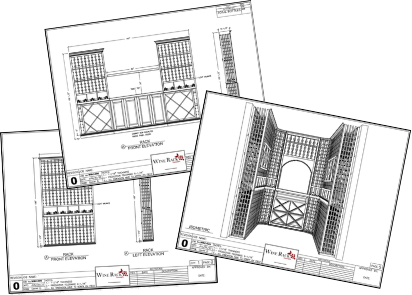
Before finalizing the concept, review the plan at room scale. Mark the entry, storage zones, display positions, and tasting area, if included. Then consider how each architectural detail affects circulation and the visual focus. A custom layout can help connect these decisions; plan a cellar design around the space and collection.
while keeping the rest of the room visually quiet. A wine grotto is typically designed with cave-inspired elements such as natural stone, textured plaster, brick, arched openings, vaulted ceilings, and low ambient lighting. These details can be selected to suit the room rather than treated as a checklist. For example, an arched opening and a textured finish can establish a sheltered character, while low ambient lighting supports a subdued atmosphere. Keep surfaces and fixtures compatible with easy movement and access to bottles.
A cellar's appearance does not prove that its conditions suit the collection. A basement is not automatically stable enough for long-term wine aging. Consider storage needs separately from visual design, and assess whether the space can support the collection's intended use. If the grotto includes a tasting area, wines on view can contribute to its character: Grüner Veltliner is an Austrian white wine with green, herbal notes and a peppery note. This description can help guide bottle selection for the tasting space, without making display the only consideration. A balanced grotto brings together atmosphere, access, and the needs of the wine.
Wine Rack Concepts: Wine Cellar Cooling
Wine Rack Concepts, LLC brings cellar design and Wine Cellar Cooling together in the planning process. If your grotto-inspired room needs more than decorative finishes, a Custom Wine Cellar can align the layout, racking, and cooling approach with the space and collection. It's a practical next step when you're moving from a design concept to decisions about bottle storage and display.
For a wall-focused layout, the Wall Wine Rack Series or Classic Series may help shape the racking plan. The right arrangement depends on the room's dimensions, the bottles you want to store, and how you'll use the cellar. Consider these details together rather than choosing finishes and racks separately. Contact Wine Rack Concepts, LLC to discuss your cellar plans.
Shape a cellar around the collection you want to keep
The best design choice starts with how you want to use the room. Consider which bottles need convenient access, what you want to display, and whether the space should welcome guests for tastings. Those priorities can guide the cellar's layout and atmosphere, helping you choose among Vino Grotto alternatives with a clearer sense of what suits your home.
Wine Rack Concepts, LLC can help bring those priorities together through a Custom Wine Cellar, Wine Racks, and Wine Cellar Cooling. If you're ready to move from inspiration to a defined plan, consider how the room's footprint, collection, and intended use should shape the design. A well-considered starting point makes it easier to create a cellar that reflects your taste and supports your wine collection.
Your cellar can be both a personal expression and a purposeful home for the bottles you value.
Have an expert help today!
Free 2D wine cellar design