Storing Wine in a High Humidity Climate Without Cork and Label Damage

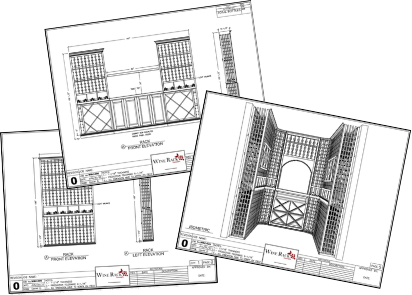
*Pictures are renderings. Actual wine racks may look different
For storing wine in a high humidity climate, keep corked bottles at a stable temperature around 55°F and aim for relative humidity between 50% and 80%. Humidity above 80% may encourage mold on corks and damage labels, while air that is too dry can cause corks to dry and shrink. A steady environment matters as much as the target readings.
It's reasonable to worry about excess moisture when protecting a carefully chosen collection, but high humidity does not automatically put every bottle at risk. What matters is how moisture affects corks, labels, and cellar conditions, and how well temperature and humidity are managed together. This article covers practical storage considerations, signs of excessive humidity, and how wine refrigeration and cellar climate controls can support a more consistent environment.
Key Takeaways
- Keep cellar conditions consistent, and consider how sealing and mechanical cooling work together in a humid climate.
- Watch for signs of excess moisture, including mold, mildew, and labels that begin to loosen or deteriorate.
- Limit temperature swings to help protect wine from premature aging and changes in character.
- Choose storage that supports corks without letting damp air compromise bottles and cellar surfaces.
- Assess a wine refrigerator's climate management as a whole, rather than focusing on temperature settings alone.
Table of Contents
What are the ideal wine cellar conditions for wine storage?
A wine cellar should stay near 55°F, with humidity generally maintained between 60% and 70%. In tropical climates, sealing and consistent monitoring help limit excess moisture.
Cellar Sealing and Mechanical Cooling
Cellar sealing limits the exchange of indoor and outdoor air, while mechanical cooling helps maintain steady temperature and humidity. Both matter because warm, humid air entering a cellar can make conditions harder to control. A well-sealed door and enclosure help preserve the intended environment. If a passive cellar cannot consistently maintain temperature and humidity, a cooling unit can help. The goal is stable conditions, not simply a cold room.
In humid climates, a vapor barrier helps prevent warm, moist air from entering cellar walls and encouraging mold. Cooling equipment also works best in an enclosed space, rather than one with frequent air leaks. Some ventilation is still needed to renew cellar air and limit odors, so sealing does not mean making the room completely airtight. Aim for controlled airflow, a secure enclosure, and cooling suited to the space.
Humidity Recommendations and Monitoring
Relative humidity measures moisture in the air compared with the maximum moisture that air can hold at that temperature. A cellar target of 60% to 70% supports wine storage, while broader recommendations place suitable humidity between 60% and 80%. These ranges are not a reason to ignore persistent dampness. In tropical settings, aim for stable readings and watch for moisture accumulating on cellar surfaces or stored materials.
A hygrometer measures relative humidity and gives you a way to track changes over time. Place it where readings reflect the cellar environment, rather than directly beside a cooling outlet or damp wall. Check readings during humid summer conditions as well as ordinary days. A temperature display also helps you assess whether the cellar holds near 55°F throughout the year. Together, these readings show whether the storage environment is stable or shifting.
Reducing Excess Cellar Humidity
To manage excess humidity, limit the moist air entering the cellar and use controlled cooling to regulate its environment. Start with the enclosure: seal the door properly and use a vapor barrier to reduce humid air passing through the walls. Moisture entering from outside can undermine cellar conditions even when the room appears closed. Mechanical cooling can help if a passive cellar cannot consistently maintain its temperature and humidity.
Allow some ventilation to renew the air, but do not treat open airflow as the solution to a damp cellar. In a tropical climate, uncontrolled outside air may carry more moisture indoors. Use a hygrometer to see how humidity changes after sealing or cooling adjustments. If readings remain high, inspect the door edges and other places where moist air could enter. A cellar with steady conditions is easier to manage than one with repeated swings.
Storage During Humid Summers and Outages
During humid summers, keep bottles in the sealed cellar rather than moving them between areas with different conditions. A stable storage temperature near 55°F matters more than short-term changes in serving preference, and minimizing temperature fluctuations helps protect wine as it ages. Keep bottles away from windows and heat-radiating appliances, where sunlight and warmth can add unwanted exposure. Check the hygrometer during humid periods to see whether cellar conditions remain consistent.
During a power outage, keep the cellar door closed to preserve its existing conditions as long as possible. Avoid opening it repeatedly, since each opening lets outside air mix with cellar air. Keep bottles away from direct sunlight and nearby heat sources, then resume monitoring temperature and humidity when power returns. The effect of an outage depends on how well the cellar holds its conditions, so a well-sealed enclosure helps limit exposure to outside changes.
Effects of excessive humidity on corks, mold, and labels
Excess moisture can affect more than a bottle's appearance: it can encourage mold on corks and damage labels. The effects vary across cork, glass, paper, and cellar surfaces.
Humidity Effects on Corks
Excessive humidity can encourage mold on corks, so dampness is not automatically beneficial for cork-sealed wine. Corks need enough moisture to avoid drying, but persistently wet cellar conditions create a separate concern. Inspect exposed cork ends and bottle necks for visible growth or musty residue. A darkened or affected cork deserves attention, especially if nearby bottles show similar signs.
Consider a cork's condition in the context of the bottle's storage environment. A small amount of surface discoloration, for example, does not by itself mean the wine inside has spoiled. Look for a pattern across several bottles, including visible growth or a persistent musty smell. Avoid unnecessary handling or vibration during inspection: moving bottles will not correct the humidity problem and may disturb the stored wine.
Mold and Mildew Risks
High humidity can support mold and mildew growth on cellar surfaces, corks, and nearby materials. The risk is greater where dampness lingers and air movement is limited, such as behind a rack or beside stored bottles. Check these areas as well as visible bottle surfaces. Persistent growth is a reason to address the cellar environment, not simply wipe down each bottle.
Prevention starts with limiting moisture entry and keeping storage surfaces clean. A vapor barrier can help reduce humid air passing through cellar walls, while appropriate ventilation renews air and helps limit odors. Clean cellar walls and racks at least once a year with a light solution of warm water and white vinegar. Avoid introducing strong chemical odors into the storage area, where they can linger around bottles and packaging.
Damage to Labels and Packaging
Paper labels and cardboard packaging can absorb moisture, loosen, wrinkle, or become stained in a persistently damp cellar. This damage may make bottles harder to identify and detract from the presentation of a carefully arranged collection. Check labels for lifting edges or soft, discolored paper, then inspect nearby shelves for dampness. Sunlight can also fade labels, so keep bottles out of direct exposure as you assess storage conditions.
Separate damp packaging from dry materials and avoid pressing softened labels against wet surfaces. If moisture repeatedly affects bottles in one part of a cellar, consider whether the layout leaves them close to a damp wall or poorly ventilated corner. Plan a wine cellar layout that accounts for bottle access and the surrounding storage environment. This can help make inspection and collection care more manageable.
Importance of stable temperature and humidity
Wine responds to its storage environment over time, so stability matters alongside temperature and humidity. For most bottles, steady cellar conditions are preferable to repeated changes.
Temperature Fluctuations and Wine Quality
Temperature fluctuations can affect wine quality by exposing bottles to repeated warming and cooling. A storage temperature of roughly 50°F to 59°F is generally considered safe for most wines, but frequent shifts still matter. For example, a bottle kept steadily at 58°F is generally in better shape than one exposed to swings between 50°F and 70°F every few days.
Warm conditions can accelerate wine aging and change its character. Excessive warmth may contribute to premature aging and bitter taste, while wine that becomes too warm can develop acetic acid. This can spoil the taste and reduce the wine's longevity. Stable temperatures help limit repeated exposure to these conditions.
Transportation can expose bottles to changing temperatures, particularly when they pass through warm areas or sit in sunlight. Once bottles arrive, place them in a consistent environment rather than moving them between a warm room and a cooler cellar. A short time at room temperature, such as a few days or a couple of weeks in a reasonably cool home, can pass without lasting damage, but regular room-temperature storage is not advised.
Consistency and Bottle Aging
Temperature consistency means keeping wine in a stable environment, while minimizing both the frequency and extent of changes. This matters because the pace at which wine ages depends partly on its exposure to warmth over time. A cellar temperature near 55°F provides a practical reference point for long-term storage, rather than a target that should shift with each season.
Slight, gradual seasonal fluctuations of a few degrees can follow a cellar's natural rhythm. The priority is avoiding frequent or pronounced swings, such as repeated changes between 50°F and 70°F. A sealed storage space helps reduce outside temperature changes, while regular readings reveal whether conditions remain steady.
Humidity also affects storage, so track temperature and humidity together rather than treating them as separate concerns. A hygrometer measures relative humidity; a temperature display shows whether the cellar stays near its intended setting. Look at the pattern over time when either reading changes. One isolated reading tells you less than repeated measurements taken in the same location.
For collectors storing both red and white wines, a shared, stable temperature can simplify cellar management. Adjust serving temperature before opening while keeping storage conditions consistent. This approach limits temperature swings and helps preserve a bottle's aromas as it develops.
Ideal humidity for corked wine bottles
Corked bottles are best stored at 50% to 80% relative humidity, balancing moisture around the cork with protection from excessive dampness. This range supports cork condition without making cellar humidity the only measure of good storage. Pair humidity readings with a constant wine storage temperature, since changing conditions can affect how wine matures. A hygrometer helps reveal patterns rather than relying on how the cellar feels.
Below 50% relative humidity, corks can dry and shrink, potentially allowing air into the bottle. Oxygen entering past a compromised seal can cause oxidation and change the wine's character. Proper humidity helps corks remain hydrated and sealed, supporting slow aging. In a humid climate, the aim is not to add moisture, but to keep conditions within a workable range.
Bottles sealed with screw caps do not depend on a cork staying hydrated, while cork-closed bottles do. That does not make screw caps automatically better for every humid cellar: both closure types need suitable storage conditions, and excess moisture can affect labels and packaging. For corked bottles, maintain the recommended humidity range and check corks for visible changes. Closure choice alone cannot correct persistent dampness in a cellar.
Store corked bottles horizontally on racks so the wine stays in contact with the cork. This helps prevent the cork from drying out during storage. Keep each bottle stable in its rack, with the label visible where practical, so you can identify it without repeatedly handling nearby bottles. Avoid placing bottles where a damp wall or wet surface could affect their labels or packaging.
Choose racking materials that suit the cellar environment and support bottles securely. Use a stable rack that keeps bottles from rolling or shifting, and avoid placing wine directly on a damp floor or against a wet surface. Wood and metal racks can both hold bottles. The key considerations are secure support and keeping the storage area clean and dry enough to protect labels.
Before buying wine in a tropical climate, avoid bottles that feel warm or have been displayed in sunlight. Heat exposure can undermine careful cellar storage after purchase. Sourcing bottles from reputable independent merchants like Mosse and Mosse helps ensure wine has been stored properly prior to delivery, but it is still wise to examine the closure and label. A loose or damaged cork, or a visibly compromised seal, deserves attention before the bottle joins a collection intended to mature over time.
After bringing bottles home, place them promptly in a consistent storage environment and arrange corked wines horizontally. Keep humidity readings in context: a reading within 50% to 80% does not excuse direct moisture on packaging or shelves. Regularly inspect bottle necks, corks, and labels. These simple checks help distinguish a sound cork from one affected by drying or persistent dampness.
Humidity controls in wine refrigerators
When storing wine in a high humidity climate, distinguish temperature control from humidity management. A refrigerator's thermostat manages temperature, but its setting does not show whether the air is too damp or too dry. That distinction matters when assessing conditions for corked bottles. A separate humidity reading adds useful context, especially when the surrounding room is persistently humid.
Wine refrigerators with up to three individually adjustable zones can be set to temperatures between 5 and 20 °C. Separate zones let you choose temperature settings for different wines, but they don't necessarily provide separate humidity controls. Read the appliance's displays carefully: a temperature readout reports temperature, while relative humidity requires a humidity reading.
Humidity inside a refrigerator depends on its design and surrounding conditions. The cabinet, door seal, cooling system, and how often the door opens all shape the environment. A poorly sealed door can admit room air, while frequent opening exposes the interior to changing conditions. In a humid home, keep the unit away from direct sunlight and heat sources to reduce the impact of surrounding conditions.
Use a hygrometer to monitor moisture inside the storage space. Take readings in the same location, away from cooling outlets and damp surfaces. A consistent pattern over time offers more context than a single reading. If humidity rises alongside damp labels or visible moisture, inspect the cabinet seal and nearby conditions rather than relying on temperature adjustments alone.
Stable temperatures also help preserve flavor. Warm storage can speed chemical reactions that change wine, while repeated shifts create less controlled aging conditions. A wine refrigerator can maintain a chosen temperature, but external conditions still matter. Keep the door closed when possible, avoid a sunlit location, and limit frequent manual changes to the setting.
For mixed collections, assign zones according to the wines' intended storage temperatures, not assumed differences in humidity. Red and white wines may have different serving preferences, but separate temperature zones do not automatically mean separate moisture management. Store corked bottles horizontally when the rack allows, and note changes to corks or labels during routine inventory.
The practical takeaway for storing wine in a high humidity climate is to treat temperature control and humidity monitoring as complementary. Choose suitable temperature settings, measure moisture independently, and watch for changes in the bottles and cabinet. Stable temperatures help, but humidity readings complete the picture when assessing a refrigerator for wine storage.
Wine Rack Concepts
Wine Rack Concepts, LLC brings storage planning and cellar conditions together with Wine Cellar Cooling and Custom Wine Cellar solutions. If humidity readings, collection size, or room conditions make it difficult to plan a suitable space, these services can help shape an approach around your collection. The Wall Wine Rack Series and Classic Series offer storage options within that broader plan. The right next step depends on whether you are adapting an existing cellar or planning a dedicated wine storage area. Consider the room, collection, and climate-control needs together rather than treating racks and environmental conditions as separate decisions.
Plan a storage space that fits your collection
A lasting storage plan starts with how you want to collect, access, and enjoy your wine. Consider how your collection may change, which bottles you want close at hand, and how the room fits into your home. These choices can help create a considered space, rather than simply making room for bottles.
A plan for storing wine in a high humidity climate should account for the room itself and how its conditions interact with your collection. Bringing these practical needs together early can make layout and storage decisions more intentional. Wine Rack Concepts, LLC can help you explore a cellar plan suited to your space and collection.
Take the next step at your own pace, with a clear vision for the collection you're building.
Frequently Asked Questions
What is the right temperature to store wine?
A steady temperature around 55°F is a practical target for storing most wines. A range of roughly 50°F to 59°F is generally considered safe for most bottles. Red and white wines can share a storage temperature; adjust the temperature before serving if needed. For example, a collector can keep both styles together in one stable cellar rather than changing storage settings to suit a planned meal.
Can Humidity Be Too High?
Yes. Humidity above 80% can allow mold to form on corks and damage wine labels. In a cellar, persistent dampness can also affect packaging and surrounding surfaces. If labels begin to wrinkle or lift, or you see mold on a cork, treat these as signs to reassess the storage environment. A hygrometer reading helps distinguish a damp cellar from one that merely feels humid.
How much fluctuation is too much?
There is no single fluctuation threshold that suits every cellar. The priority is to minimize how often temperatures change and how large those changes are. Slight, gradual seasonal shifts of a few degrees can follow a cellar's natural rhythm, while repeated or abrupt swings are less desirable. Compare a slow seasonal change with a room that warms and cools repeatedly each day.
What humidity level is ideal for storing wine long term?
For corked bottles, a relative humidity range of 50% to 80% helps prevent corks from becoming too dry or too moist. Aiming around 60% to 70% provides a narrower cellar target within that broader range. For a collection stored long term, measure humidity alongside temperature rather than relying on the room's feel. The combined readings help reveal whether conditions remain suitable for bottles and corks.
How does high humidity affect wine corks, labels, and wine quality?
Excessive humidity can encourage mold on corks and damage paper labels or cardboard packaging. Low humidity poses a different concern: corks can dry and shrink, potentially allowing air into the bottle. That exposure can cause oxidation and affect wine quality. Consider the whole bottle, including its cork, label, and closure. Humidity-related packaging damage does not by itself mean the wine has spoiled.
Can wine be stored safely at 70% to 90% humidity?
At 70% humidity, wine remains within the recommended range for corked bottles. Readings from above 80% to 90% exceed that range, and prolonged excess moisture may encourage mold on corks and damage labels. If readings approach 90%, monitor the cellar and bottles for dampness or visible growth. The concern is persistent high humidity, not a single reading considered without the condition of the storage area.
How can you measure humidity in a wine cellar or storage room?
Use a hygrometer, an instrument that measures relative humidity. Place it in the storage area where it reflects general conditions around the bottles, not directly beside a cooling outlet or damp surface. Record readings over time in the same location, then compare them with visible changes to corks, labels, or packaging. A temperature display alone does not measure humidity, so the readings serve different purposes.
Should wine be stored in a wine refrigerator in a humid climate?
A wine refrigerator can help when a room cannot maintain stable storage conditions. Compared with a standard refrigerator, a wine cooler is recommended for maintaining wine storage temperature and humidity more consistently. However, a temperature setting does not tell you the cabinet's relative humidity. For corked bottles, use a hygrometer to assess moisture, too, and consider whether the refrigerator's capacity and zones suit your collection.
Have an expert help today!
Free 2D wine cellar design