Statement wine wall design and installation for your home

*Pictures are renderings. Actual wine racks may look different
The most striking wine wall isn't simply the largest; it's the one designed for the room and the collection. A statement wine wall for your home takes shape through careful planning of its location, bottle capacity, racking, materials, and any climate control the space needs.
It should feel like part of the home while keeping the collection visible and accessible. Whether you have a broad wall to transform or a compact, unused area to work with, the design can balance visual impact with practical storage.
This guide explains what goes into professional wine wall design, construction, and installation, and what information helps shape a project around your home and the way you enjoy your collection.
You'll also see how glass, metal, wood, lighting, and space-conscious layouts influence the finished display, and how to plan a wine wall that can adapt as your needs change.
Key Takeaways
- Plan the display around your collection, the room, and whether easy access or long-term storage matters most.
- Minimalist metal racking and label-forward layouts can make bottle presentation part of the design.
- Custom design and installation bring together the space, materials, storage needs, and climate control.
- Wall-mounted racks, compact displays, and under-stair layouts can make useful storage from limited space.
- Plan for future growth by choosing a configuration that can be expanded as your collection changes.
Table of Contents
How does a professional build a wine wall, and what should homeowners provide?
A wine wall should be planned around the collection, the room, and the desired display. Share your bottle quantities, preferred access, interior references, and the available location to help shape the design.
Minimalist Metal and Label-Forward Displays
Minimalist metal racking keeps the structure visually light and puts each bottle in view. A label-forward arrangement makes identification part of the display, which can work well in a dining area where guests may browse. Bottle orientation, spacing, and the collection's mix of shapes all affect the layout. A wall focused on recognizable labels, for example, can use a more open arrangement than a dense, storage-first display.
Interior Integration and Wall-Mounted Systems
A wall-mounted system turns vertical space into wine storage without taking up floor space. Aligning its finish and proportions with nearby cabinetry, furnishings, and architectural details helps the display feel integrated. A dining-room wall, for example, can keep bottles within reach while leaving circulation clear. Room photos, approximate wall dimensions, and design preferences can help guide the layout.
Start by assessing the location. A wine wall should be away from direct sunlight and heat sources, in a space with stable temperature and humidity. The wall's position, available depth, and surrounding conditions help determine whether the design should be open, enclosed, or climate controlled. A glass wine enclosure keeps the collection visible while enclosing it; frameless glass on all four sides creates an especially open presentation.
Lighting shapes how labels and bottle forms appear across the room. Integrated LED lighting can highlight a central row or the full display. Consider how light interacts with glass, metal, and surrounding finishes. Reference images can help convey the brightness and mood you prefer. The lighting should complement the room without overwhelming the bottles.
Cooling is selected according to the enclosure, room conditions, insulation, and storage needs. A professional chooses a system and setpoint intended to maintain a stable cellar temperature, rather than relying on a decorative display alone. The desired temperature should remain consistent for the collection; wine cellar cooling systems are considered as part of the overall design.
To develop a practical plan, provide an inventory estimate, the intended location, and examples of interiors you like. Explain whether the display is mainly for everyday access, entertaining, or longer-term storage. These choices guide bottle capacity, label visibility, materials, lighting, and whether the design uses open racks or a glass enclosure.
Custom design, manufacturing, and installation
A wine wall is a bottle display integrated into a wall or room, while a wine cellar is a dedicated storage space. A wine cabinet is a contained furniture piece that stores and presents bottles.
Rack Dimensions and Finish Choices
Rack depth, height, and finish shape both capacity and how the wine rack fits the room. A designer plans dimensions around the available wall, bottle presentation, and access needs, rather than treating the rack as a standard insert. For example, a narrow wall may call for a shallower layout, while a tall feature wall can use vertical space without extending the display across the room.
Finishes connect the rack to surrounding materials. White oak has a medium-to-coarse grain that can suit traditional or contemporary rooms, while metal can create a more restrained profile. Consider how each finish looks beside flooring, cabinetry, and lighting, then coordinate the rack details with those elements.
Custom wood millwork adds another layer to the design. Cabinetry can frame a wine display, conceal accessories, or provide closed storage beside visible bottles. A built-in cabinet, for instance, can combine bottle slots with drawers or open shelves. Develop the layout around the collection and room, coordinating storage zones with the home's existing millwork.
Semi-Custom Options and Custom Design
Semi-custom wine walls and racks suit projects that benefit from an established configuration, while custom design addresses distinctive spaces or presentation goals. Semi-custom pieces are made to order, and lead times can start in as little as 2 weeks. Professional installation is recommended for these systems. A fully custom wine wall can instead coordinate rack arrangement, cabinetry, and finishes around the space.
Manufacturing follows the approved design: the rack configuration and chosen finish are translated into pieces for the project. Before installation, the professional considers the wall, surrounding millwork, and how the finished assembly aligns with the room. This sequence helps keep the presentation intentional, whether the design is a compact feature or a larger storage wall.
Installation also connects the visible rack to the practical needs behind it. If the project is part of a climate-controlled wine cellar, insulation and cooling must work with the enclosure and storage layout. A custom wine cellar design brings these elements together instead of treating the rack as a separate furnishing.
For a project that needs a tailored layout, explore wine wall design options around the collection, room dimensions, and preferred finish. A clear design brief gives the professional a practical basis for developing a presentation that can transform the space without overlooking storage.
Wine wall designs for high visual impact and limited space
A well-planned wine wall can turn an unused surface into a feature without using valuable floor space. The key decisions are the wall's location, the display's visual weight, and how lighting and finishes work together.
Modular Wall-Mounted Rack Designs
Modular wall-mounted racks can follow the shape of the available wall. A compact dining area, for example, can use a narrow arrangement that keeps bottles off the floor and within reach. A larger, uninterrupted surface can accommodate a broader pattern. Consider bottle capacity, spacing, and how modules align with nearby furniture when planning the layout.
In a small wine room, a modular system can use one wall for bottles and leave the center open for movement. Under a staircase, a custom layout can follow the changing ceiling line and make an awkward area useful for wine storage. In either setting, the rows should fit the wall while keeping bottles accessible.
Contemporary and Modern Design Ideas
Contemporary wine cellars often pair glass enclosures with metal racking, minimalist finishes, and integrated lighting. A glass partition can define a wine room while keeping sightlines open to the adjoining space. In an open-plan home, this approach makes the collection visible without visually closing off the room.
Modern design can also bring custom wood cabinetry and metal displays together. White oak's medium-to-coarse grain can soften a sleek wine cellar, while a restrained finish keeps attention on the bottles. Repeated lines, matching trim, or a contrasting cabinet wall can bring the materials together.
Lighting adds another layer to the display. Integrated LED lighting can emphasize bottle rows, illuminate a feature wall, or draw attention to a presentation shelf. Backlighting creates a focal point, while discreet lighting can guide the eye across a larger wine room. Choose placement and intensity to suit the room's purpose and the materials around the bottles.
Paint also changes how wine walls look. A dark backdrop can contrast with light-colored labels or clear glass, while a lighter finish can help a compact room feel open. A dining-room display, for example, can use a color related to nearby cabinetry so the wine wall feels connected to the interior.
A high-impact display doesn't require a large cellar. A wall-mounted system can turn a dining-area wall into functional decor, while horizontal storage can fit beneath a staircase. A glass enclosure can also divide a room while preserving open sightlines. The right choice depends on the available wall, the collection, and whether display or storage takes priority.
In a limited footprint, a slim display can make one wall the room's focal point. In a larger home, a glass-enclosed wine cellar can create a visible destination near a dining space. Both approaches rely on the same principle: the display should complement the room's layout and remain easy to view.
Wall-mounted wine racks and panels
Wall-mounted wine racks make a bottle display part of the interior rather than a separate furnishing. They work in spaces where floor area is limited, such as a dining room wall or a narrow passage. The design starts with the available wall, then matches rack layout and bottle capacity to the collection and the room's visual balance.
Panel systems give a wine wall a defined backdrop. Fusion Wine Walls offer a panel-based option for a unified racking and wall-surface design. Consider how the panel finish contrasts or coordinates with nearby paint, cabinetry, and flooring. A dark panel can frame lighter labels, while a lighter surface can blend into a bright interior.
Plan capacity alongside appearance. A compact display can hold a selected group of bottles, while a wider wall can accommodate more rows. Layout also affects access: bottles for everyday use should be easy to reach, while a presentation row can give special labels a more prominent position. The collection's shape and mix help determine spacing.
Floating metal wine racks create a different effect. Their open structure leaves the wall visible around each bottle and can suit a modern interior with clean lines. Several rack sections can form a balanced arrangement, or one focused section can serve as an accent. The result depends on bottle spacing, metal finish, and surrounding wall color.
Plan how the mounted system relates to the wall and nearby features. A dining-area installation, for instance, should leave comfortable movement around the table and keep bottles accessible without occupying floor space. Position the rack in relation to doors, cabinetry, and lighting so the finished display feels integrated rather than crowded.
Panel wine racks and open metal systems can also be combined in a larger composition. A central panel section might anchor the display, with open racks extending to either side. This can distinguish a presentation zone from everyday storage without making the wall feel fragmented. Repeating a finish or aligning rack rows helps tie the sections together.
The right option depends on whether the room calls for a discreet storage feature or a visible focal point. Fusion Wine Walls suit a coordinated panel look, while floating metal racks keep the arrangement visually open. In either case, planning bottle capacity, wall proportions, and access together helps the display serve both practical and aesthetic needs.
Wine wall installation and expansion
Installation brings the approved layout, wall conditions, and bottle access together. For a custom wine cellar, the professional coordinates racking with architectural details, lighting, and any climate-control components before fitting the display.
Permit and building-code requirements depend on local rules and the project's scope. A wall-mounted rack may differ from work that changes the structure, adds electrical components, or creates an enclosed cellar, so account for those distinctions in the installation plan. When integrating a complex display or climate-controlled enclosure into a broader home renovation, design-build firms like Elite Contractor Services can manage the structural framing, wiring, and permitting required.
Before mounting, assess the wall and proposed rack arrangement. Wall material, existing finishes, and nearby features inform the mounting approach and hardware. A display on a finished dining-room wall, for example, requires different coordination from racking incorporated during cellar construction.
Professional installation helps align the wine wall with the approved design. Position the racking, check how the sections meet, and coordinate the finished display with nearby cabinetry and lighting. Consistent alignment matters on a tall feature wall, both for its architectural appearance and for access to bottles.
Glass-enclosed wine storage adds installation considerations. Plan the enclosure, racking, and cooling system together rather than treating them as unrelated elements. In a custom wine cellar, coordinating the glass structure and cooling requirements with the room layout helps the display and storage environment work as one system.
Expansion is easiest to plan before the first installation. Consider where another rack section might sit, how its finish will relate to the existing display, and whether future additions should match the original layout. If you expect your collection to grow, for example, you can reserve an adjacent wall area for later racking.
Lighting should work across the full installation. If the display expands, consider how existing lighting relates to added sections and whether the larger arrangement remains visually balanced. A planned extension should preserve bottle access and avoid making the original feature feel crowded.
Useful project details include the intended wall, current storage needs, and desired appearance. Photos of the space and its architectural features can help coordinate the layout. These details guide decisions about mounting, lighting, and how the wine wall could develop alongside the collection.
Wine Rack Concepts
Wine Rack Concepts can help turn your plans into a wine wall suited to your collection, available space, and preferred style. Its wine racks and Wall Wine Rack Series offer options for a focused display, while custom wine cellar design and wine cellar cooling support a broader storage project.
Turn to Wine Rack Concepts when you're ready to move from ideas to a coordinated design. Share the intended location, collection needs, and design preferences to help shape a solution for your home.
Contact Wine Rack Concepts to discuss your wine wall project.
Shape a wine wall around the home you want to enjoy
A statement wine wall in your home can evolve with your collection and the way you live. Look beyond the first arrangement: consider how the display might fit a future dining-room refresh, a growing collection, or a dedicated wine room. A flexible plan gives the feature room to change while keeping it connected to the interior.
Wine Rack Concepts brings together wine racks, wine cellar cooling, and custom wine cellar design for projects that call for coordinated storage and presentation. Start with your vision for the space, whether you're planning a focused wall display or a larger cellar.
With a clear direction, your collection can become a distinctive part of your home, thoughtfully designed for today and what comes next.
Frequently Asked Questions
What is a statement wine wall for a home?
A statement wine wall for a home is a prominent wine display designed to contribute to a room's overall look. It may use one wall as a focal point or form part of a larger wine room. Unlike storage kept out of sight, this design makes bottles visible and integrates them into the interior. Its scale and materials should suit both the space and the collection.
What are popular home wine wall design ideas and styles?
Popular approaches include frameless glass enclosures, minimalist metal racks, wood cabinetry, and label-forward displays. A dining room might use a compact metal arrangement, while a dedicated wine room could combine glass and wood storage. Mixing materials can define different zones, such as open display for selected bottles and cabinetry for accessories. Existing finishes and intended use help determine which style feels cohesive.
How much does a custom residential wine wall cost?
Project cost depends on design and construction choices, including size, materials, racking, doors, lighting, cooling, and labor. A wall-mounted display has different requirements from a climate-controlled cellar with custom finishes. The collection and available space also affect the plan. Wine Rack Concepts provides project pricing after a quote request, based on the design requirements and selected components.
What materials and finishes are best for a home wine wall?
The best choice depends on the room's style and the display's purpose. Wood can bring warmth, while metal or acrylic can create a more contemporary effect. Wood racks can be finished with stain or lacquer, and glass can contribute to an open, visible presentation. You might coordinate a wood finish with nearby cabinetry or use metal against a contrasting wall color.
What are the structural and electrical requirements for installing a wine wall?
Requirements depend on whether the project is a wall rack or a constructed cellar. For cellar framing, Wine Rack Concepts states standard stud spacing is 16 inches on center. A cellar plan may also include insulation, wall finishes, cooling, and lighting. If can lights are selected, the company specifies IC can lights. The design should coordinate these elements before construction and installation begin.
How do you protect a wine wall from sunlight, heat, humidity, and vibration?
Place the display away from direct sunlight and heat sources, and choose a location with stable temperature and humidity. These conditions matter especially when the wall forms part of a climate-controlled cellar. Vibration sources can also be considered during placement, such as nearby equipment or frequently used doors. A professional can factor the room's conditions into the layout and cooling plan.
Can a wine wall be installed in a small home or without a dedicated wine room?
Yes. A wall-mounted display can use vertical space in a dining area, while a compact cabinet or under-stair layout can make use of an awkward spot. The choice depends on the available wall, access, and whether the collection needs climate-controlled storage. In a small home, planning around circulation and nearby furniture helps the display fit without taking over.
How can a professional help plan, install, and maintain a home wine wall?
A professional can shape the layout around the collection, room, materials, and storage goals, then coordinate the racking with any cellar cooling. Wine Rack Concepts offers wine racks, wine cellar cooling, and custom wine cellars for residential projects. The design should leave access to relevant equipment and components, making routine attention to the storage system easier without compromising the display.
Have an expert help today!
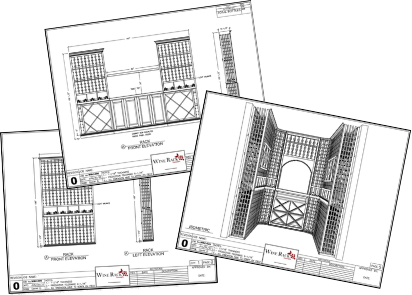
Free 2D wine cellar design