Showcase Wine Display Ideas for Small Kitchens and Homes

*Pictures are renderings. Actual wine racks may look different
A wine display doesn't need to take over a counter or dominate a small kitchen. The most effective showcase wine display ideas use wall space: wall-mounted racks, floating shelves, or a slim wine wall can keep bottles off work surfaces while creating a considered feature in an open-plan home. A thoughtful layout also keeps bottles visible and easy to reach, with horizontal or angled storage for cork-closed bottles.
It's understandable to want storage that feels like part of the room, not an obstacle in it. The right approach depends on the available wall space, your collection, and how prominently you want it displayed. This guide explores ways to make a wine wall work in a small kitchen, home bar, or other compact space, and explains how materials, placement, and storage needs shape the result.
Key Takeaways
- Label-forward presentation makes bottles easier to identify and turns a collection into a visual feature.
- A professional can shape a compact display around the room's dimensions and available wall space, rather than using valuable counter area.
- In an open-concept home, a wine wall can create a defined feature while connecting visually with nearby living or dining areas.
- Wood, metal, and mixed materials each bring a different character to a display; the right choice depends on the room's look and storage needs.
- Home bars and restaurants can make wine part of the experience with visible bottle storage, considered lighting, and a layout suited to the space.
Table of Contents
- 1. What are the most creative wine bottle display ideas for home use?
- How can a professional design a wine display for a small kitchen without taking up counter space?
- 3. Wine walls in open-concept homes
- 4. Wood, metal, and mixed-material fixtures
- 5. What are popular wine display ideas for home bars and restaurants?
- Wine Rack Concepts
1. What are the most creative wine bottle display ideas for home use?
A display works best when each bottle has a clear visual role. Label-forward racks put winery names, regions, and vintages in view. This orientation makes selection part of the room's design. Keep the arrangement selective: feature standout bottles, not every bottle. Shadow boxes typically accommodate 3-10 bottles, creating a compact visual focal point. That format can suit a dining nook, hallway, or kitchen wall. A separate rack for frequently opened bottles keeps everyday choices accessible without crowding the feature display.
Separate bottles by purpose before planning the layout. Reserve the most visible position for bottles chosen for their labels, shape, or personal significance. Keep drinking stock in a practical area, grouped for quick selection. This distinction helps a display feel curated rather than crowded. It also prevents frequently handled bottles from disrupting a carefully arranged feature. For a home with limited display space, a small shadow box can present a few favorites, while a freestanding unit can provide 48-bottle capacity in a minimal footprint.
Choose a display style that suits the wall and collection. Shadow boxes create a framed presentation, while open shelving gives bottles a clean, accessible profile. Floor-to-ceiling post systems are described as holding 12-48 bottles, so they can use vertical space instead of extending across a room. A custom layout can be sized around the collection and the available wall. The exact arrangement depends on bottle count, room proportions, and whether labels should face outward. Keeping the visual pattern consistent helps different bottle shapes feel intentional together.
Orientation matters for both presentation and storage. Horizontal or angled placement helps keep corks moist, reducing the chance of air entering the bottle. A label-forward arrangement makes bottles easier to identify, while a cork-out layout emphasizes their repeated forms. For cork-closed wines, choose a design that supports horizontal positioning rather than storing bottles upright for display. Avoid stacking bottles directly on one another, since rubbing or leaking liquid can damage labels.
Grouping creates order without hiding the character of individual bottles. Open shelves can be arranged by color or size, making bottles easier to find and reducing visual clutter. For example, group red wines together and lighter-colored bottles nearby, or align bottles of similar sizes. Keep standout labels facing forward. For a mixed collection, spread distinctive bottles across the display instead of clustering them in one spot. The result is an easy-to-read presentation that keeps everyday bottles distinct.
How can a professional design a wine display for a small kitchen without taking up counter space?
A professional begins with the kitchen's usable wall space, not the countertop. They consider door swings, cabinet edges, appliance heat, and everyday traffic. A narrow wall beside a pantry may suit a vertical rack, while a broad dining-area wall can support a wider display. For rooms under 200 square feet, sculptural or floating wall mounts can make storage a feature without adding floor furniture.
Next, the designer matches the rack's scale to the collection and wall. Floating peg racks can hold 12 to 36 bottles on one wall panel. A smaller sculptural mount can hold 3 to 12 bottles when the goal is a compact accent. The right fit depends on bottle count, available wall width, and whether the kitchen needs room for future additions. A wall-mounted display keeps the counter clear and makes each bottle accessible.
Installation planning includes locating wall studs and choosing an anchoring method suited to the loaded rack. For wall-mounted systems holding more than 12 bottles, lag bolts into wall studs are recommended. A professional also accounts for bottle weight, rack construction, and the wall material. The installer positions the display away from doors and work zones, then aligns it so bottles sit securely and remain easy to retrieve.
Leave a 2-inch gap between the rack and wall. That space supports airflow behind the display and keeps bottles from sitting flush against the surface. A professional incorporates the gap into the rack's placement, while also considering nearby heat sources and direct sunlight. In a compact kitchen, careful positioning matters: a rack above a breakfast nook may work better than one beside an oven or in a busy passage.
Commercial layouts follow a different planning logic. Retail wine stores may use perimeter wall racks to make use of the store's boundaries, with freestanding fixtures organizing the center. In a small kitchen, the same principle means concentrating storage along a suitable wall instead of spreading it across counters and walkways. Commercial wine displays may also be subject to local building or fire requirements; applicable rules and permit needs depend on the jurisdiction and installation.
For a residential wine wall or showcase, a professional first maps the wall, collection, and viewing angle. They then select the rack configuration, bottle capacity, and anchoring approach to suit that space. A tailored wine display design can help translate those dimensions into a wall-mounted layout that preserves counter space.
3. Wine walls in open-concept homes
In an open-plan home, a wine wall should feel connected to the room, not imposed on it. Between a kitchen and living area, it can mark the transition from cooking to dining without adding a partition. Consider the sightlines from the entry, sofa, and dining table so the wall contributes to the room from different angles. Its height, width, and finish can echo nearby cabinetry or furniture, creating a deliberate feature within the shared space.
Panel arrangements help shape that feature. A versatile wine-room display uses a 9-by-5-panel configuration, while a luxury dining-room display uses 5-by-4 panels. These examples show how a wall can scale from a broad statement to a more contained composition. In an open plan, the available wall width and nearby furniture guide the layout. The design should preserve clear passage between zones and avoid competing with a focal point such as a fireplace.
Placement also affects how the collection fits into daily life. A wall beside the dining area keeps bottles visible during meals, while a wall near the kitchen puts selections close to serving space. Consider doors, walkways, and seating before setting the display's boundaries. A wine wall beside a dining table, for example, can define that zone while leaving the main route between the kitchen and living room clear.
Light and finish help the installation belong to the home. A backlit wine feature wall is shown in a 3-by-9-panel configuration, offering a strong visual anchor. Subtle lighting can enhance viewing, but the design should avoid direct sunlight and heat sources. According to the U.S. Environmental Protection Agency, LED lighting can reduce energy use and heat-related spoilage while improving product appearance. A designer can coordinate the light's placement with the wall's materials and surrounding room lighting.
Plan storage and presentation together. Reserve the most visible area for bottles that contribute to the room's character, and use less prominent sections for practical storage. That balance helps the collection feel composed rather than filling the entire wall. In an open-plan home, consistent spacing, aligned rows, and a finish that relates to nearby materials can bring visual order to adjoining spaces.
A dedicated wine wall also needs a suitable environment. Keep it away from direct sunlight and heat sources, especially ovens, fireplaces, and sun-facing windows. If your collection needs more controlled conditions than an open display provides, a display-focused wall may not suit every bottle. A custom design can combine visible presentation with a separate storage area, preserving the room's open feel while accommodating the collection's needs.
4. Wood, metal, and mixed-material fixtures
Material choice shapes a wine display's character and practical use. Wood brings warmth and a furniture-like presence. Metal creates crisp lines that suit contemporary interiors. Consider the surrounding cabinetry, flooring, and furniture when choosing a finish. A wood rack, for instance, can echo a dining table, while dark metal can complement modern appliances. The fixture should feel like a deliberate feature, not an unrelated object attached to the wall.
Wood works particularly well when the room already has natural textures. Its grain can soften a compact kitchen or connect a display with wood cabinets. A consistent finish helps the rack relate to nearby furniture, while a contrasting tone makes the bottles stand out. The designer also considers how the wood's color will sit beside bottle labels and wall paint. A wooden wine rack can provide a classic visual foundation for a curated collection.
Metal offers a leaner profile and straightforward upkeep. Metal shelves are less likely to warp than other materials and are simple to maintain. Their clean lines can make bottles the central visual feature rather than the rack itself. A professional can select a metal finish that complements cabinet hardware or lighting. For instance, a dark rail against a pale wall creates a defined outline, while a lighter finish can blend more quietly into the room.
Mixed materials bring contrast without requiring a busy design. A metal frame with wood supports pairs a defined structure with a warmer surface. That combination can bridge stainless appliances and timber cabinetry in one kitchen. The designer balances the proportions so neither material overwhelms the display. Metal components can provide a slender visual structure, while wood adds texture where bottles meet the rack. Metal wine racks offer another option for a streamlined presentation.
Choose materials according to the display's role, not appearance alone. A feature wall may call for a finish that complements the room from across the living area. A compact kitchen rack may need a restrained profile beside cabinetry. In commercial spaces, wood can create a traditional presentation, while metal shelving can suit merchandising needs. In each setting, consider bottle arrangement, access, and how the fixture relates to nearby surfaces.
Before finalizing a fixture, align its materials with the room's purpose. A dining area might call for warm wood and furniture-like detailing. A modern kitchen may suit metal lines that echo existing hardware. In an open-plan home, a mixed-material rack can connect finishes across adjoining zones. These choices help integrate the display while keeping bottles and labels easy to appreciate.
5. What are popular wine display ideas for home bars and restaurants?
A home bar can make wine part of the room's central feature. A wet-bar display shown with 20 panels offers a substantial backdrop above or beside serving space. A built-in wine nook, also shown with 20 panels, can instead integrate bottles within cabinetry. The distinction is visual: one makes the wall a focal point, while the nook feels more contained. Either layout can keep bottles visible without placing them across the bar top.
For a smaller bar, a built-in, backlit display shown with 8 panels creates a defined presentation. A modern wine alcove shown with 16 panels gives the collection a dedicated zone, while a built-in storage nook shown with 15 panels can suit a more compact composition. These examples help frame the design conversation: consider the room's available wall, how much storage it needs, and whether the bottles should stand out or blend into the cabinetry.
Single-bottle display racks can suit collections under 20 bottles. They let each bottle read as an individual choice rather than one part of a dense grid. In a home bar, place a few selected bottles near the serving area, then keep the broader collection in separate storage. Hanging wine glasses beneath an upper shelf can also make use of vertical space and keep glassware close to the bottles.
Lighting adds another layer to a home presentation. A wine feature wall shown with a 3-by-9-panel configuration demonstrates how backlighting can create a strong visual rhythm. In a smaller bar, subtle illumination can draw attention to labels without making the entire room feel like a display case. Decanters and carafes can provide a decorative focal point while remaining useful for serving, giving the bar a composed look beyond its bottles.
Restaurants often make the collection part of the guest experience. A wine feature wall shown with capacity for 558 bottles places selection in view, while a tasting-room display shown with 84 panels can support a larger presentation. In either setting, visible storage can connect the wine program with the dining room or tasting area. The arrangement should leave clear access for staff and keep featured bottles easy for guests to notice.
In hospitality spaces, organize the display around how guests encounter the wine. A feature near the entrance can introduce the selection; a wall beside dining tables can make the collection part of the atmosphere. Label-forward sections can highlight featured bottles, while other storage holds the wider assortment. In a home bar, apply the same principle on a smaller scale: give bottles used for entertaining a clear place and keep serving pieces easy to reach.
Choose a layout that balances bottle capacity, visibility, and the room's purpose. A 20-panel home wet bar and a 558-bottle restaurant wall serve different needs, even though both make wine part of the setting. A tailored plan can align the display with the available space and the experience you want to create.
Wine Rack Concepts
Wine Rack Concepts, LLC helps turn a display concept into a wine storage design suited to your room and collection. For a wall-mounted feature, consider the Wall Wine Rack Series or Classic Series. For a larger project, a custom wine cellar can bring display and storage together, with wine cellar cooling available when climate control is part of the plan.
Bring your room dimensions, preferred display location, and an estimate of your collection to the planning conversation. These details help shape a design around available wall space, bottle access, and your preferred style. Whether you want a compact kitchen display or a more substantial home feature, a tailored design is the practical next step.
Contact Wine Rack Concepts, LLC to discuss your wine display project.
Shape a Display That Fits Your Home
The next step is turning inspiration into a design that belongs in your space. The best showcase wine display ideas reflect how you use the room, what you want guests to notice, and how your collection may change. A compact wall feature and a dedicated cellar call for different decisions, but both benefit from thoughtful planning around placement, materials, and storage.
Wine Rack Concepts, LLC offers wine racks, wine cellar cooling, and custom wine cellar solutions. These options can support a carefully composed wall display or a more integrated approach to wine storage. Use showcase wine display ideas as a starting point, then shape the design around your room dimensions, preferred location, and style.
With a clear plan, your bottles can become a considered part of your home, designed around how you live and entertain.
Frequently Asked Questions
Should wine be stored horizontally or vertically when displayed at home?
Store cork-closed bottles horizontally when they'll remain on display for a while. This position helps keep the cork moist and limits air entering the bottle. A vertical presentation may make a decorative bottle more visible, but it isn't the preferred position for ongoing storage of cork-closed wine. You can still emphasize labels by angling bottles or choosing a design that shows them while supporting them horizontally.
How can a professional create a wine display at home that is both safe and stylish?
A professional balances the display's appearance with the wall's construction and the loaded rack's support needs. The plan accounts for the rack, bottles, mounting points, and nearby activity, such as children moving through a dining area. A secure installation should keep bottles stable and accessible without obstructing a doorway or walkway. The design can then coordinate the rack's finish and arrangement with the room's existing furnishings.
How can a professional style a wine display to match a home's decor?
Relate the display to details already in the room, such as cabinet finishes, metal hardware, flooring, or dining furniture. In a room with warm timber furniture, a wood rack can continue that visual thread. In a contemporary kitchen, a clean metal outline may echo appliance details. Bottle labels and glassware also affect the composition, so the arrangement should complement, not compete with, the surrounding decor.
What Makes a Great Retail Wine Display?
A strong retail display helps shoppers find bottles and understand the selection. Group wines by region, varietal, producer, price, or promotion, with a clear feature area for highlighted bottles. Perimeter racks can present the broader assortment, while a central fixture draws attention to a focused category. Leave enough room for stock without making the display feel crowded or difficult to browse.
What are the most creative wine bottle display ideas for home use?
Try a label-forward arrangement, a framed group of favorite bottles, or a wine niche that turns an architectural recess into a feature. A curated selection can reflect a trip, a shared celebration, or a preferred region. In a dining room, arrange bottles as part of a larger composition with glassware or a decanter. Keep frequently opened bottles separate so the display remains intentional and easy to maintain.
What materials and installation choices make a professionally designed display elegant and durable?
Choose materials that suit both the room and the display's function. Wood can bring a furniture-like quality, while metal offers a simpler, easy-care finish; acrylic is another available material for wine storage designs. Installation should account for the wall surface, rack structure, bottle access, and surrounding traffic. A professional can align the finish and mounting approach so the display feels integrated and remains practical for regular use.
What materials and lighting work best for wine displays?
Wood, metal, and acrylic can all work, depending on the room's finishes and the presentation you want. For lighting, reveal bottle shapes and labels without creating glare or making the display feel harsh. A restrained, focused glow can suit a home bar, while ambient room lighting may be enough for a small wall feature. The fixture's material and light placement should work together as one composition.
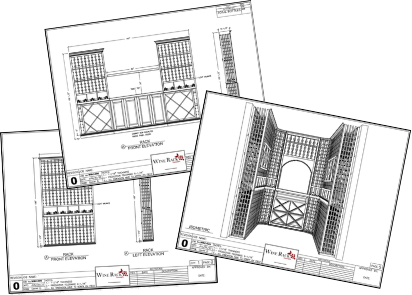
Have an expert help today!
Free 2D wine cellar design