Refrigerated Wine Cabinet or Custom Wine Cellar: Which Fits Your Home

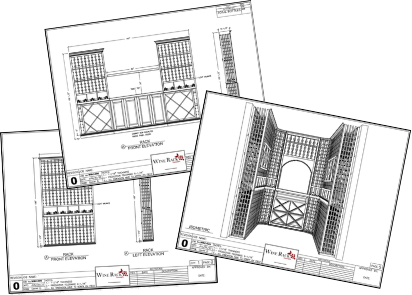
*Pictures are renderings. Actual wine racks may look different
A custom wine cellar isn't automatically the better choice: the right fit depends on how much wine you store and how long you plan to keep it. In the refrigerated wine cabinet versus custom wine cellar decision, a cabinet often suits bottles intended for serving soon, while a cellar is worth considering for collections exceeding 300 bottles or wines planned for longer aging.
Both options can protect and display a collection, but they differ in construction, cooling, capacity, and how they fit into your home. The right choice should suit both your wine habits and your available space.
This comparison covers how cabinets and cellar cooling work, how collection growth and aging plans affect the decision, and where each option fits. You'll be better equipped to choose a ready-made cabinet or a custom cellar designed around your home.
Key Takeaways
- Match storage to how quickly you expect to enjoy your bottles, and whether your collection is meant to mature over time.
- Consider a cellar if your collection exceeds 300 bottles or you expect it to grow significantly.
- Compare cabinet construction and environmental control, not just appearance, when weighing custom-built and prefab options.
- Understand how the cooling system fits the enclosure and your home before settling on a design.
- Use your available space, display preferences, and day-to-day access needs to narrow down the best fit.
Table of Contents
Choosing storage based on collection size and aging plans
Start with the bottles you own, then consider how many you expect to add. A refrigerated cabinet can suit a focused collection intended for near-term enjoyment. Upright wine refrigerators are available with capacity for 250 or more bottles, while a cellar is recommended for collections exceeding 300 bottles or planned significant expansion. Those figures mark useful decision points, not strict limits: your available space and storage goals matter too.
Consider how long you plan to store the wine, not just how much you have. Some refrigerated cabinets are designed for serving wine in the near term, while others are intended for aging. Check the specific unit's intended use rather than assuming every cabinet suits the same storage plan. A collection of reds you plan to drink in the coming years may suit a cabinet; bottles set aside for extended aging call for an environment designed around that goal.
For longer aging, consider Bordeaux Grand Cru, Burgundy Pinot noir, or Napa Valley Cabernet. In a well-maintained cellar, these wines can age for 20-30 years or more. That timeline makes consistent conditions central to the decision. Wine refrigerators may not provide humidity control, so check whether a particular model is suited to your storage plans. Cellars are designed to keep temperature and humidity stable year-round, supporting preservation as bottles mature.
Plan for the collection you expect to have, not only today's bottle count. A cabinet may suit a defined selection with little planned growth. A cellar may be a better fit if you regularly add cases or want storage for long-term aging. Estimate how the collection could grow, and separate bottles for near-term drinking from those you intend to keep.
| Storage option | Collection and capacity | Typical plan | Aging consideration |
|---|---|---|---|
| Refrigerated wine cabinet | Focused collection; upright models can hold 250 or more bottles | Serving in the coming days, weeks, or months | Some models are designed for long-term aging; wine refrigerators generally suit short-term storage |
| Custom wine cellar | Collections exceeding 300 bottles or expected to expand significantly | Organized storage for a growing collection | Stable temperature and humidity support aging over several years |
Choose a cabinet for a defined collection and convenient access, or a cellar for an expanding collection and deliberate aging.
Custom-Built vs Prefab Wine Cabinets: Which One Suits Your Home?
A refrigerated wine cabinet is a self-contained unit; a custom cellar is an enclosed space designed around the home and collection. Compare the construction, insulation, temperature and humidity management, equipment access, and effect on the room.
Custom Cellar Design and Environmental Control
A custom cellar shapes the storage enclosure around the room, collection, and cooling approach. Modern custom wine cellars are vapor-sealed and use cooling systems to manage their environment automatically. That integrated design differs from a prefab cabinet, which arrives as a contained unit with its own dimensions and construction. A basement corner, for example, may offer a cellar layout that uses the available walls and ceiling.
Wine Cabinet Insulation and Humidity Control
Insulation helps limit the influence of the surrounding room on stored wine. Wine cabinets generally offer better insulation and humidity control than standard wine refrigerators, but features vary by cabinet. A cabinet described as operating at 55°F to 58°F with humidity between 50 and 70 percent provides a specific comparison point. Most wine refrigerators lack humidity control, which can make them less suited to long-term storage.
Temperature and Humidity Controls
Compare how each option manages temperature and humidity. A wine refrigerator may have one adjustable temperature, while dual-zone models can hold reds and whites at separate temperatures. Cellars are designed to maintain stable temperature and humidity. Also consider access to the cooling equipment: a problem with the system can affect the conditions the enclosure is intended to maintain.
Construction and Permit Considerations
A ready-made cabinet typically needs space for the unit. A custom cellar may require changes to an existing room, such as building walls, creating a sealed enclosure, and integrating cooling equipment. Permit requirements depend on the project and local rules, so they vary across the United States. Construction and cooling installation also bring different maintenance considerations than a standalone cabinet.
For a cellar that must fit a particular room, collection, and cooling plan, a custom wine cellar design can help organize those decisions before construction begins.
Choosing storage based on collection size and lifestyle
Wine storage should work with the room and your routine, not just the size of your collection. A cabinet near the kitchen or dining area can make choosing a bottle convenient. A cellar can dedicate a separate space to storage and display. For the refrigerated wine cabinet vs custom wine cellar decision, consider whether daily access, a focal-point display, or room to expand matters most.
Room dimensions shape the options. Consider a proposed basement cellar measuring 4 feet deep, 10 feet long, and 9 feet high. Its volume is 360 cubic feet, but usable capacity depends on the layout. In one sample arrangement, racks on both walls left an aisle 25.5 inches wide. This example shows why circulation space matters alongside bottle count.
Dense racking can increase capacity, but it may narrow access and reduce display options. A commenter estimated that the sample cellar could hold about 1,300-1,400 bottles if space were used tightly. That layout may appeal to a collector planning substantial growth. Someone who prefers an open display or easier access may choose a less compressed arrangement, even if it holds fewer bottles.
Consider existing home conditions, too. One homeowner reported that the house usually stayed at 71-72 degrees year-round. The surrounding room, available footprint, and cooling approach all influence where storage can fit. A basement may offer a dedicated area for a cellar; a cabinet may suit a room where a separate enclosure isn't practical.
Your routine can guide the layout. Hosts may value visible labels and easy access near an entertaining area. Collectors tracking vintages may prefer to group bottles by region, producer, or drinking window. Picture taking a bottle from storage to the table, and consider whether the arrangement makes that easy without crowding the aisle.
Expansion plans can shift the balance. A compact collection expected to stay stable may fit a cabinet, while regularly adding cases may call for a layout that accommodates growth. In a 1,200-square-foot basement, for example, a 10-foot-long section could be considered for dedicated wine storage without assuming the entire room becomes a cellar.
Make the comparison practical by listing the intended room, likely collection growth, preferred access, and display style. The refrigerated wine cabinet vs custom wine cellar choice becomes clearer when you weigh these factors together, rather than focusing only on bottle capacity. Choose a cabinet for a defined collection and convenient placement, or a cellar for a dedicated space and adaptable layout.
Custom-built versus factory-built wine cabinets
A factory-built wine cabinet is a finished unit with set dimensions and an established appearance. Custom wine storage is designed around a specific location, collection, and interior. A ready-made cabinet may suit an open kitchen alcove, while a custom cellar can make use of an awkward basement recess or coordinate with a dining room's woodwork.
The main difference is how much the storage can adapt to the room. Factory-built cabinets offer set sizes and finishes, which can simplify the decision when a suitable unit fits. Custom design starts with the space and desired layout, allowing dimensions, rack arrangement, and appearance to be coordinated. Neither option is automatically better; the room and intended use determine what matters most.
Measure the intended location before choosing a style. Note the wall width, ceiling height, door swing, and route for bringing a cabinet into the room. A basement stairway, for example, may limit the size of a unit that can be moved downstairs. A custom enclosure can suit an unusual alcove, with the cooling system planned for the space.
Appearance matters differently from room to room. A freestanding cabinet can remain a distinct appliance in a kitchen or dining area. Custom storage can be designed to coordinate with existing cabinetry, stone, or trim. For a glass-front display in a living space, consider how visible bottles will work with surrounding finishes-a balance often coordinated alongside interior design studios like heime.design. In a basement, convenient access and orderly rack placement may take priority.
Consider how your collection may change. A cabinet has a defined interior, so adding bottles may eventually require another storage solution. A custom design can make different use of the available footprint, with racks planned around access and the room's shape. It still depends on the space available; custom construction cannot create extra floor area.
Before choosing, outline the project in a few steps:
- Choose the room, such as a kitchen alcove, dining area, or basement.
- Record the space constraints and how the cabinet will enter the home.
- Decide whether a standard finish works or the cabinetry should coordinate with the room.
- Plan for the collection's likely growth and the cooling approach.
Choose a factory-built cabinet when its size and appearance suit the space; choose custom construction when room dimensions, design continuity, or a tailored layout matter more.
Wine cabinet cooling systems
Electricity costs depend on a system's electrical input, operating time, enclosure insulation, surrounding conditions, and local utility rate. BTU/h ratings describe cooling capacity, not electricity consumption, so they cannot directly estimate a monthly bill.
Cooling choice begins with the enclosure. A self-contained unit cools the storage space from a single assembly, while a through-the-wall system places equipment through an exterior wall. A ductless split system separates components, which can affect where heat and operating noise are experienced. These layouts suit different rooms; the cabinet's location and cooling path matter as much as its appearance.
Capacity ratings show why volume and ambient temperature belong in the comparison. A Wine Guardian CAB018 is described for cabinet volumes from 100 to 1,200 cubic feet. The TTW01B Sentinel has a nominal capacity of 1,440 BTU/h at 75°F, while the SS018 ductless split unit is rated at 2,800 BTU/h at 80°F ambient. Those figures describe different units and conditions, not interchangeable energy-use measurements.
Before comparing cooling equipment for a cabinet or built-in enclosure, estimate the space the system must cool. Include the full interior volume, then account for insulation and surrounding room conditions. A larger cabinet may need a different capacity than a compact one, while poor insulation can make temperature control more demanding. Match the unit to the actual enclosure rather than relying on a model name alone.
Sound and heat placement also influence everyday comfort. The TTW01B Sentinel is listed at 49.5 dB at 6 feet, a concrete reference when a cooling unit sits near a living area. A through-the-wall unit can reject heat outside the cellar, while a split system locates components separately. The best arrangement depends on the home's layout and where equipment can be placed.
To compare efficiency, consider electrical input and expected operating conditions alongside cooling capacity. Check the unit's power requirements, enclosure volume, insulation, room temperature, and local electricity rate. Compare systems designed for similar conditions. A BTU/h figure alone cannot show which option will use less electricity or cost less to operate.
The takeaway: match cooling capacity and equipment placement to the enclosure, then assess electricity use using electrical input and local rates.
Wine Rack Concepts: Custom Wine Cellar
Wine Rack Concepts can help turn a collection and a room into a coordinated wine storage plan. If your bottles call for a dedicated enclosure, its custom wine cellar offering brings the layout and storage design together. For a project where cooling is central, Wine Cellar Cooling and CellarPro are relevant options to consider.
A custom cellar is worth considering when a standard cabinet does not suit the room, collection, or display you want. It can also be a better fit when you want storage designed around a specific space rather than a standard footprint. Start with your collection, available room, and plans for using the wine.
Contact Wine Rack Concepts to discuss a custom wine cellar for your home.
Make Your Wine Storage Part of the Home
Choosing between a refrigerated wine cabinet and a custom wine cellar is also a chance to decide how wine fits into your everyday spaces. Consider whether storage should be discreet, a visible display, or a destination with its own character. That vision can guide practical choices, from bottle arrangement to how the cooling system fits the room. When planning a luxury build or major remodel, boutique builders like Maverick Design and Construction often incorporate these specialized spaces directly into the home's floor plan.
Wine Rack Concepts offers wine racks, Wine Cellar Cooling, and Custom Wine Cellar options for projects designed around your home and collection. If you are ready to move from comparing options to planning a space, outline what you want the finished storage to do. The room, collection, and preferred look are a useful starting point for a custom design.
Choose a space that feels considered today and continues to serve your collection as it grows.
Frequently Asked Questions
What Do Lead Time, Fit, and Finish Look Like for Each Option?
A factory-built cabinet comes with the selected unit's dimensions and installation requirements, while a custom cellar follows a design and construction process. Begin by measuring the intended location, openings, access routes, and space for doors to open. Finishes differ, too: a standalone cabinet remains a distinct feature, while a custom cellar's materials and rack placement can coordinate with the room.
Which Option is Better for Aging Wine?
A custom cellar may be a better fit for bottles intended for extended aging because its enclosure and cooling plan can be designed together. The key is not the label on the storage option, but whether the environment suits the wine's intended keeping period. Bottles you plan to mature for many years call for storage designed around long-term preservation.
Which Option is Better for Your Home?
The better fit is the one that works with your room, collection, and routine. A cabinet may suit a kitchen or dining area where convenient access matters and its standard footprint fits. A cellar may make sense if you have a dedicated area or want storage incorporated into a particular room. Consider equipment placement, bottle access, and how the design will complement the space.
Which Option is More Affordable?
There is no single lower-cost option for every project. A cabinet avoids building a dedicated enclosure, while a cellar may involve framing, insulation, doors, lighting, cooling, labor, and racking. A cabinet may involve fewer project components for a small, defined collection. A cellar's scope depends on the room and design. Compare the complete setup your home needs, not just the storage unit.
How much do refrigerated wine cabinets cost in the United States?
Refrigerated wine cabinet prices vary with unit size, finish, temperature zones, and cooling configuration. A compact countertop model and a larger built-in cabinet represent different product scopes, so one general figure would not describe both. To compare options, identify the cabinet style and capacity you need, then consider any installation requirements. Avoid treating a cellar project's construction costs as a direct cabinet price comparison.
How much does a custom wine cellar cost to build?
The main cost drivers include framing, insulation, doors, lighting, cooling equipment, labor, and racking. A simple build and a highly finished room involve different scopes. Define the room and desired features first so the estimate reflects the cellar you plan to create.
What temperature and humidity should wine storage maintain?
A wine cabinet described for storage operates at 55°F to 58°F, with humidity between 50 and 70 percent. Treat those figures as a useful reference for cabinet storage, not a substitute for selecting equipment suited to the enclosure. Temperature stability matters alongside the set point. For example, a cabinet beside a frequently opened exterior door may face different surrounding conditions than one in a protected interior space.
How many bottles can wine cabinets and custom cellars hold?
Upright wine refrigerators are available with capacity for 250 or more bottles, while cellar capacity is shaped by the room and rack layout. A cellar has no single standard bottle count: usable space changes with aisle width, display choices, and how tightly bottles are arranged. For planning, estimate your current collection, allow for expected additions, and preserve enough access to retrieve bottles comfortably.
Have an expert help today!
Free 2D wine cellar design