Racking Options for Mixed Bottle Sizes and Bottle Fit

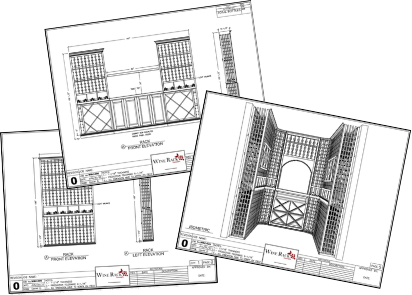
*Pictures are renderings. Actual wine racks may look different
A single bottle opening rarely suits an entire collection. The most adaptable racking options for mixed bottle sizes combine modular sections with openings sized to the bottles: standard openings for 750 ml bottles are 3.75-by-3.75 inches, while Champagne openings are 4.75-by-4.75 inches. Modular racks can also be stacked, combined, or trimmed to fit the available space.
It's easy to focus on bottle count and overlook what affects fit: shape, diameter, weight, spacing, and how often you reach for each bottle. A rack suited to everyday Bordeaux bottles may need different openings or a more flexible layout for splits, magnums, and other larger formats.
This guide explains how to assess bottle dimensions and support needs, when modular or countertop racks make sense, and how to plan for varied formats without wasting space. You'll also learn what to consider when choosing openings and arranging bottles for practical access as your collection evolves.
Key Takeaways
- Modular racks can be combined or adjusted to make better use of available space and accommodate a varied collection.
- Choose openings with bottle shape and format in mind, especially for splits, Champagne bottles, and larger formats.
- Consider bottle material, dimensions, and weight when assessing how a rack will support your collection.
- Plan spacing for stable storage and comfortable access, not just maximum capacity.
- Countertop racks can provide a practical way to keep select bottles accessible while complementing a larger storage layout.
Table of Contents
Modular rack kits for mixed bottle sizes
Modular wine racks can be stacked, combined, or trimmed to fit a room and collection. Fixed racks keep their original layout, while modular sections let you dedicate different openings to standard bottles and larger formats. This makes modular storage useful when bottle shapes vary or the collection changes over time.
For individual-bottle flow storage, bottle-flow lanes fit into standard selective pallet rack. The lanes rest on rack beams, and tracks can be secured with optional Tek screws. A six-inch-wide trough accommodates larger bottles. In a FIFO layout, bottles load from the rear and are picked from the front. If loading and picking happen on the same side, the setup does not provide FIFO rotation.
Refrigerator storage depends on usable interior dimensions and shelf arrangement. A modular rack can be planned around those measurements, while a fixed layout suits bottles with consistent shapes. Before committing to a larger bottle-flow system, test the actual bottle in a lane. Its diameter and movement through the track determine whether it rolls smoothly.
For commercial storage, pallet-rack design affects both depth and access to each SKU. Selective pallet rack can be built one bay deep or designed double-deep for additional volume. Double-deep racks require access with a deep-reach forklift. Pallet flow can separate loading and picking aisles to support FIFO rotation. Choose a layout based on how each SKU is received and retrieved.
Push-back rack stores products multiple pallets deep, with pallets loaded and retrieved from the same aisle. Beverage push-back systems typically store up to 3-4 pallets deep. This arrangement supports LIFO rotation: the last pallet loaded is the first available for retrieval. It can suit tight spaces where FIFO isn't required, but it reduces direct access to every pallet compared with single-deep selective rack.
For loaded bottle-flow racks, periodically inspect tracks, attachment points, support bars, and rack beams for damage or movement. Installation details depend on the rack and its components, so follow the system's instructions and secure compatible tracks as specified. These checks help identify movement or wear before you continue using the lanes.
Use these steps to plan a mixed-bottle layout:
- Group bottles by shape, dimensions, and retrieval frequency.
- Match each group to a suitable opening or bottle-flow lane.
- Test actual bottles in flow lanes before choosing a larger system.
- Choose selective, double-deep, flow, or push-back pallet rack according to SKU access and rotation needs.
Countertop racks for split, Bordeaux, Cabernet, and Burgundy bottles
A countertop rack keeps frequently chosen bottles close at hand and makes bottle shape part of the display. Match each opening to the bottles it will hold rather than assuming one size accommodates every format.
Rack Choices by Space and Collection
Start with the counter or tabletop space available, then consider how many bottles you want within reach. A smaller collection may suit a compact countertop rack, while a larger display may need a separate storage area. Choose a form and finish that complement the room. If budget is a priority, focus on capacity and bottle fit before decorative details.
Bordeaux and Cabernet bottles fit standard wine-rack openings, but splits need smaller spaces. One described rack design uses 3-by-3-inch openings for split bottles. Measure the widest part of the bottle and compare it with the opening before choosing a countertop rack. Burgundy bottles can have a different shape, so avoid assuming they'll fit simply because their volume matches a standard bottle.
For a tabletop display, group bottles by format rather than forcing different shapes into identical openings. A rack with rounded corners is described as easy to clean, which can be useful on a countertop near serving or decanting activity. Keep bottles intended for decanting accessible, and reserve tighter-fitting openings for bottles in storage. This balances display and practical use.
Metal Racks for Standard and Magnum Bottles
Metal racks can be considered for both standard bottles and larger formats, but the opening must suit each bottle's diameter. One described design uses 3.75-by-3.75-inch openings for standard 750 ml bottles and 4.5-by-4.5-inch openings for magnums. Compare those dimensions with the actual bottle shape, especially if the collection includes varied glass profiles.
Some countertop racks are designed for spirits as well as wine. Liquor racks can accommodate whiskey and gin bottles, along with oversized Champagne bottles. Since spirit bottles vary in shape, sort them by footprint and height before arranging a display. Place heavier or wider bottles in openings that securely support their base, and leave room to lift each bottle without shifting its neighbors.
For a collection that combines standard bottles, splits, and magnums, a custom wine rack design can help align opening sizes with the counter space and display you have in mind. Bring the plan back to the practical details: bottle dimensions, access, and how the rack will be used during serving.
Standard wine racks accommodate Bordeaux and Cabernet bottles, while specialized racks can hold split bottles, magnums, and irregular bottles. Fusion Straight Panels are designed for bottle sizes ranging from half-bottles to magnums.
For a collection with mixed formats, let opening dimensions and bottle profiles guide your choices, and give each bottle a space suited to its shape. For countertop storage, compare the formats you want to display with the available counter space, then keep frequently chosen bottles accessible. A standard opening may not suit a bottle that needs a specialized rack. Planning for that difference also helps the display adapt as your collection changes.
Bottle material, dimensions, and weight
A rack opening needs to suit the bottle's widest point, not just its label or stated volume. To measure a bottle, record its length, widest body diameter, base width, and shoulder shape. For example, two 750 ml bottles may need different spacing if their glass profiles differ. Use the largest bottle in each group to set the opening and clearance. These measurements help narrow the racking options for mixed bottle sizes before installation.
Standard wine bottles and Champagne bottles illustrate why volume alone doesn't determine fit. A rack design described for Champagne uses 4.75-by-4.75-inch openings, while bottle shapes can still vary within a category. Measure representative bottles from your collection, then compare the opening with their widest bodies. Leave enough room to slide each bottle in and out without pressing neighboring bottles.
Material affects how a bottle moves through a flow lane. Plastic bottles may need a steeper lane pitch than glass bottles because plastic creates more drag. Test the actual bottle in the intended lane before settling on a configuration. If your collection includes both plastic and glass bottles, assess each material separately rather than assuming one pitch will move them equally.
Check weight, too. A filled bottle weighs more than an empty one, and a larger format contains more wine than a standard bottle. Consider the full load, including the rack level and the bottles it will hold, rather than judging capacity from an empty bottle. For commercial storage, account for bottle dimensions, material, and loaded weight together when choosing a rack configuration.
Use a simple measurement sequence before choosing spacing:
- Measure the widest body point and the bottle's full length.
- Note the base shape, shoulders, and neck position.
- Group bottles with similar dimensions, then plan a separate opening for outliers.
- Test bottles in a flow lane, especially when glass and plastic formats share storage.
These steps help distinguish a tight fit from a workable one. A bottle that barely enters an opening may be difficult to remove, while excess clearance can allow movement in a flow arrangement. For a magnum or unusually shaped bottle, measure the bottle rather than relying on its format name. The right racking options for mixed bottle sizes start with physical dimensions, then account for access and collection organization.
Forward access matters in home and commercial layouts. Keep frequently selected bottles within easy reach, and reserve less accessible positions for bottles that are seldom moved. If your collection includes bottles with different materials, dimensions, and weights, group them by fit requirements before filling the rack. This gives every format a defined place without treating volume as a substitute for measurement.
Consistent bottle spacing
Consistent spacing gives each bottle a defined position, making a cellar easier to organize and use. The goal isn't identical openings for every format. Instead, repeat the right opening within each bottle group, then create separate zones for shapes that need more room.
One described wine-rack design uses 13-by-13-inch diamond bin openings intended for a case of 12 bottles. This format keeps a case together, while individual openings suit collections organized bottle by bottle. Decide which approach fits your retrieval habits before you install the rack. A case bin and a row of individual spaces serve different storage purposes.
What materials and designs best protect mixed-size bottles from rolling or damage? Choose a design that holds each bottle steadily, such as individual openings or a properly sized trough. Match the space to the bottle's body so it doesn't roll freely or press against neighboring bottles.
For a mixed collection, plan the layout by bottle group rather than placing each new format wherever it fits. For example, keep standard bottles together and reserve a separate area for wider or unusually shaped bottles. Repeating openings within each group makes capacity easier to estimate and helps you return bottles to their intended positions. A consistent pattern also makes gaps visible as the collection changes.
Spacing affects access as well as storage. A bottle needs room to enter and leave its opening without forcing adjacent bottles to shift. Plan the rack around the direction of removal, and keep frequently selected bottles in an accessible section. In a wine cellar with multiple rack zones, apply the same grouping logic throughout to make the overall arrangement easier to follow.
Rack height and room dimensions also shape consistent spacing. Described wine-rack kits come in 6-, 7-, and 8-foot heights, so the chosen height affects how storage is distributed vertically. Measure the intended wall and account for the positions where bottles need to be reached. A rack that uses available height efficiently still needs clear access to each planned row.
Before installation, map the bottle groups and openings on paper or in a simple plan. Mark case bins, individual positions, and spaces reserved for bottles with different shapes. Then compare the planned capacity with the collection you intend to store, rather than filling every opening with the same format. This keeps the pattern coherent while giving each bottle group suitable support.
Magnum and Double Magnum openings
Larger formats need openings sized to their actual bottle dimensions, not just their names. One described rack design uses a 5.5-by-5.5-inch opening for Double Magnum bottles. Measure the bottle's widest point and length before assigning its space, since its shoulders and base affect how it rests and moves.
A Magnum and a Double Magnum shouldn't be treated as interchangeable. Their opening requirements differ, so placing them together in an undersized space can make bottles difficult to store or retrieve. Give each format a dedicated zone with openings matched to the bottles stored there. This creates a clear storage plan and keeps larger bottles from crowding neighboring positions.
Consider how you'll use the rack before settling on its layout. If larger bottles are part of a display, position them where their shape remains visible and retrieval is convenient. If they're kept in reserve, a less prominent section can preserve the main display for bottles chosen more often. Either way, leave enough room to remove one bottle without disturbing the next.
For a mixed-format collection, plan larger openings alongside standard bottle spaces rather than adding them as an afterthought. This may reduce the number of standard positions in a given area, but helps the rack accommodate both formats properly. To make the best use of space, group bottles by size and keep openings consistent within each group. Avoid filling a large-format opening with smaller bottles unless the design supports them securely.
Use this planning sequence:
- Separate Magnum and Double Magnum bottles from standard formats.
- Measure each format's widest body point and full length.
- Match each group to an opening that supports its shape.
- Arrange openings according to display needs and access frequency.
Larger formats can also influence the design of a custom wine storage area. They take up more room than standard bottles, so reserve suitable space without compromising access to the rest of the collection. Larger-format wine bottles age better and can be stored longer because they have a lower oxygen-to-wine ratio inside the bottle. That storage consideration can help determine where these bottles sit in the cellar.
Before finalizing a layout, compare the actual bottle with the planned opening and consider how it will be placed and removed. A thoughtful mix of opening styles can accommodate standard bottles and larger formats while preserving a cohesive display. The right arrangement depends on bottle dimensions, available space, and whether access or presentation matters most.
Wine Rack Concepts
Wine Rack Concepts can help turn bottle measurements, collection mix, and room dimensions into a considered storage plan. Its wine racks and custom wine cellar solutions support layouts designed around varied bottle shapes, access needs, and available space.
If your collection also needs temperature management, include wine cellar cooling in the overall plan. Bring together the bottle formats you store, the space you want to use, and how you prefer to access your collection. Contact Wine Rack Concepts to discuss a layout that fits your needs.
Plan a rack that grows with your collection
Choosing racking options for mixed bottle sizes is also an opportunity to plan for how your collection may change. Look beyond the bottles you own today: consider future additions, how you want to access them, and whether storage should complement the room's design. A considered layout supports practical use and the pleasure of displaying bottles you value.
Wine Rack Concepts can help shape a plan around your space and storage goals. Wine racks, wine cellar cooling, and custom wine cellar solutions can be considered together when your project calls for coordinated storage and a dedicated cellar environment. Start with a conversation about your collection and the room you want to create.
With a clear plan, varied bottle shapes can become part of a thoughtfully curated collection. Your next layout can bring that vision into focus.
Frequently Asked Questions
What types of racks accommodate mixed bottle sizes?
Modular racks, countertop racks, and bottle-flow systems can accommodate varied bottle formats. The best choice depends on whether bottles need long-term storage, display, or frequent access. A countertop rack, for example, keeps selected bottles close at hand, while a larger modular layout can dedicate separate spaces to different groups. For commercial storage, rack design also needs to support how bottles are organized and retrieved.
What are the dimensions and weight capacities of adjustable bottle racks?
Dimensions and weight capacities depend on the rack design and the bottles it must hold. There isn't one universal size or load rating for adjustable racks. Measure each bottle at its widest point and along its length, then consider the combined weight of the loaded rack. For a collection with larger formats, use openings and support designed for those bottles rather than assuming an adjustable section can safely accommodate every size.
Which wine racks fit bottles of different diameters and shapes?
Wine racks with varied opening sizes or layouts tailored to a collection can accommodate bottles with different diameters and profiles. A practical approach is to group bottles by shape and assign each group suitable space. For a mixed collection that includes standard wine bottles and distinctive spirits bottles, plan separate zones instead of forcing every item into one opening style. This keeps the arrangement practical and organized.
How much do adjustable and modular bottle racks cost?
Project cost depends on the design and is provided after a quote request. Factors include rack material, layout, dimensions, and whether the project involves a custom wine cellar or wine cellar cooling. A simple storage layout has different requirements from a coordinated cellar project, so the planned design and selected components shape the overall quote. Consider how the rack should fit the room and collection when defining your project.
Have an expert help today!
Free 2D wine cellar design