Matte Black Metal Wine Racking Systems for Homes and Businesses

*Pictures are renderings. Actual wine racks may look different
A matte black finish can make a wine display feel considered, but secure attachment is essential. Matte black metal wine racking systems should be mounted with hardware suited to both the rack and the wall surface, following the system's installation instructions. The right approach depends on the wall construction and rack design.
A refined display should also work for practical storage. This article explains wall mounting, the differences between single-, double-, and triple-deep layouts, and how matte black racks can suit residential and commercial spaces. It also covers how rack layout, storage needs, and wine cellar cooling contribute to a cohesive plan.
Key Takeaways
- Choose a matte black finish to complement the room, then select a rack layout that suits the available wall or floor space.
- Storage depth affects capacity: a four-foot Ultra HZ wall rail holds 12 bottles single-deep, 24 double-deep, or 36 triple-deep.
- Floor-to-ceiling and freestanding designs can help make use of vertical space when a wall-mounted layout isn't the right fit.
- Residential and commercial spaces call for different storage plans, shaped by the collection, display goals, and room layout.
- Secure mounting starts with matching the installation hardware to the rack and wall surface.
Table of Contents
Matte black finish options
Matte black gives a wine display a defined, contemporary look without competing with labels or nearby finishes. When planning matte black metal wine racking systems, consider placement, surrounding materials, and how you want the bottles presented.
Customizing the Finish
Start with the visual role you want the rack to play. Against pale stone or a light-painted wall, matte black creates contrast; beside dark cabinetry, it can blend into the room. Compare the rack with nearby hardware, shelving, and lighting to create a coordinated design.
Keep the finish decision separate from the layout. Matte black shapes the appearance, while rack width, depth, and bottle orientation determine the display. A compact wall section may suit a narrower arrangement, while a long wall can accommodate a more continuous line. Choose the rack and configuration to suit the space rather than assuming every system offers identical options.
Matte Black Availability
Matte black is available on a wall-mounted metal wine rack option. One configuration measures 7 1/2 inches wide and 12 inches high, with capacity ranging from 3 to 9 bottles. That range makes the format relevant to a small display as well as a denser arrangement, depending on the selected configuration.
Compare the specific rack and configuration when planning a coordinated display. A finish offered for one wall rack does not mean every style, depth, or installation format has the same finish. Treat the chosen system as the reference point for the design.
Assess the whole setting before choosing a finish. Matte black contrasts with white walls, pale wood, and light stone, while dark surfaces can create a more integrated look. Bottle labels add color and detail, so consider how the rack's outline will frame them, not just how the metal looks on its own.
Lighting also affects how a finish appears. On a brightly lit wall, the rack may become a strong graphic feature; in a dimmer cellar, its outline may seem more subtle. Consider nearby fixtures and the direction of light, and picture the display with bottles in place. This makes finish selection part of the room's overall composition.
For a cohesive plan, decide on the visual effect you want, then match the rack's finish and layout to it. A matte black wall display can stand out as a focal point or sit beside cabinetry as a restrained detail. Choose based on the wall, surrounding finishes, and how prominently you want the bottles displayed.
Single-, double-, and triple-deep storage
Storage depth determines how many bottles a rack can hold across the same wall span. A four-foot Ultra HZ wall rail holds 12 bottles single-deep, 24 double-deep, or 36 triple-deep. Choose depth by balancing bottle capacity against the room available for the rack and access in front of it.
Single-deep bottle storage keeps each bottle in one row, making the collection easy to see. Double-deep and triple-deep layouts add capacity without extending the rail's length. A four-foot rail illustrates the difference clearly: each added depth increases its stated capacity by 12 bottles.
Depth also affects how far the rack projects from its mounting surface. A W Series two-bottle-deep configuration measures 8-1/2 inches deep, while its three-bottle-deep configuration measures 12 inches. For the two-bottle-deep Magnum configuration, the listed depth is 10 inches. These dimensions help establish whether a planned rack fits the room.
For modular planning, Ultra wall rails of any length or bottle depth are compatible with one another. Connectors let rails join and extend in any direction. You can plan an initial arrangement and expand it as the collection changes, keeping the connected sections part of one coordinated system.
Plan the wall in sections before choosing a configuration. A four-foot single-deep rail, for example, may suit a shallow display area; a triple-deep rail offers more storage where its projection fits. The Wall Wine Rack Series provides another reference for comparing bottle-storage layouts within one product series.
Storage conditions matter alongside rack depth. The recommended wine storage temperature is 45°F to 55°F, with humidity between 50% and 70%. These targets describe the cellar environment, not the rack itself. A deeper arrangement increases capacity, but it doesn't replace planning for appropriate temperature and humidity.
Metal and wood create different looks in a cellar or display area. Metal can feel streamlined, while wood brings a distinct material presence. Compare the finished room: consider nearby cabinetry, wall surfaces, collection layout, and whether the rack should stand out or blend in.
Consider these factors together when comparing materials. A metal rack may suit a modern display, while wood may complement existing wood finishes. The material alone does not determine storage depth. Compare the specific configuration, bottle arrangement, and room dimensions before deciding how the system should look and function.
For a layout that coordinates capacity, depth, and room conditions, use the wine cellar design service to develop a plan around the space and collection.
Floor-to-ceiling and freestanding systems
A floor-to-ceiling frame uses vertical space, while a freestanding rack takes up floor area without relying on a wall-mounted layout. This distinction matters when wall space is limited or the display needs to define a zone. Compare each system's footprint, height, and bottle access with the room's layout.
A floor-to-ceiling design can turn an unused vertical section into a prominent display. A one-sided frame, for example, presents bottles in one direction, making it suitable beside a wall or for a specific viewing angle. Before planning the arrangement, note the ceiling height, floor position, and any obstructions along the intended vertical path.
Freestanding systems offer another way to place storage within a room. A rack can form part of a display area rather than sitting against a wall, but leave clear space for movement and access to the bottles. Consider door swings, walkways, nearby furniture, and the view from the main approach.
For either format, start with the space, not a preferred rack shape. Measure usable floor area and vertical clearance, then note nearby fixtures and architectural features. A floor-to-ceiling frame beside a doorway, for example, must fit without obstructing the passage. A freestanding display needs enough room around it for comfortable access.
Storage and presentation also affect the choice. A tall frame can make a collection a vertical feature, while a freestanding arrangement can serve as a focal point in an open room. Storage capacity depends on the selected configuration, so do not judge it by height or footprint alone.
Matte black metal gives either system a crisp outline. Against a pale wall, the frame becomes a visible part of the display; against darker finishes, it can feel more integrated. Consider how the rack will look with bottles in place, since labels add color and visual variety.
Room conditions matter, too. A display in a dedicated cellar has different needs from one in a living area or tasting room. If the rack is going in a climate-controlled space, include its position in the room layout. A freestanding rack or vertical frame does not replace suitable storage conditions.
Use a straightforward selection process: define the location, compare available floor and vertical space, then choose the display direction and rack configuration. In an open-plan room, a freestanding layout can define a display zone. On a narrow wall, a vertical frame can make better use of the available space.
Explore metal wine rack options when comparing finishes and formats for a floor-to-ceiling or freestanding display.
Residential and commercial applications
Residential and commercial displays serve different routines, even when both use matte black metal. A home collection might be in a dedicated cellar or dining area, while a restaurant may display bottles near guest seating. In either setting, first decide who needs access and how the bottles should be presented.
At home, a mounted wine rack can make a wall part of the room's design. A compact display beside cabinetry may suit one space, while a cellar wall may be reserved for a larger collection. Plan around doorways, furniture, and walking routes, not just the rack's appearance.
In a commercial setting, the display can contribute to the guest experience. A restaurant or tasting room may want bottles visible from seating, while a storage room may prioritize organized access. Commercial wine racks can be planned for these different uses, with placement and arrangement shaped by the room's function.
Visibility affects how a rack works in either setting. A display facing an entrance can make the collection a focal point; one behind a service counter can support staff access. Check sightlines from entrances and seating areas. At home, the same check can help keep the rack from competing with artwork or cabinetry.
Collection organization also shapes the layout. A homeowner grouping bottles by region may prefer a display that keeps each group distinct. A commercial space may organize bottles around its service routine. In both cases, arrange the rack so the intended selection is easy to identify without crowding the surrounding space.
Matte black can suit both settings because it creates a defined outline without requiring the whole room to follow one style. Against light-colored walls, it adds contrast; in a restaurant with dark finishes, it may feel more integrated. Review the rack alongside the actual wall, furnishings, and lighting.
Plan temperature and humidity as part of the wider room design, particularly for a dedicated cellar. A decorative dining-room display and storage in a conditioned cellar serve different purposes. Be clear about the location and intended use, then coordinate rack placement with the storage environment rather than assuming the rack controls it.
For a project that combines display and storage, map the room before choosing a configuration. Note the viewing direction, bottle access, and nearby activity. A home may call for a discreet wall feature, while a hospitality space may benefit from a more visible arrangement. These practical differences help identify a suitable layout.
Mounting surfaces and installation hardware
A wall-mounted rack needs an installation plan that accounts for the wall surface, rack layout, and bottle load. Drywall, masonry, and finished wood have different fastening requirements. Identify the mounting surface, then choose hardware suited to it and follow the rack's installation instructions. The decorative finish does not determine the appropriate fasteners.
Start by deciding where the rack will go. Mark its proposed width and height, allowing for nearby doors, shelving, and room traffic. For a four-foot wall-mounted metal wine rack, map the full rail length before choosing attachment points. This can reveal conflicts with wall features and show how the display will fit the room.
Next, consider the structure behind the visible wall surface. A finished wall may conceal framing or other support conditions, so the mounting method must suit what the surface can support. The rack configuration matters too: single-, double-, and triple-deep layouts place different storage arrangements on the wall. Follow the rack's instructions and match each attachment to the installation.
Ultra HZ wall rails offer a modular example. Rails of different lengths or bottle depths are compatible, and connectors let sections join and extend in any direction. Plan the complete arrangement before mounting, especially when connecting rails. This helps align each section and maintain a consistent layout across the wall.
Before installation, confirm that the layout fits the space and that attachment points meet the system's requirements. Keep the rails level and aligned, and position connectors so they do not interfere with bottle access. If the design uses several connected sections, account for each one when planning the mounting sequence.
After mounting, inspect the rack before loading bottles. Check that each rail and connector sits as intended, then load the system according to its configuration and installation guidance. A four-foot rail can be planned as a single run or as part of a connected arrangement, depending on the wall and display design.
Careful planning brings wall conditions, hardware, and rack configuration into one installation decision. A clean visual layout starts with measurements and a clear understanding of the mounting surface. These details help the finished display follow the wall while keeping the intended storage arrangement in view.
The W Series Wall-Mounted Wine Rack Kit is offered in a 5-foot configuration with capacity for 15-45 bottles, while its 8-foot configuration has capacity for 24-72 bottles. The W Series Wine Rack Metal Wall Mounted Storage Kit is offered in a 6-foot configuration with capacity for 18-54 bottles.
Wine Rack Concepts
Wine Rack Concepts can help bring your matte black rack plan together, from layout and storage needs to how the display fits the room. Its Wall Wine Rack and Classic Series offer options for different storage plans, while a custom wine cellar can bring racking and the wider space together. Wine cellar cooling can also be part of a cellar project.
Turn to Wine Rack Concepts when you're ready to shape your measurements, collection, and design preferences into a coordinated wine storage environment. Start with a clear picture of where the rack will go and how you want to use the space.
Contact Wine Rack Concepts to discuss your wine storage plans.
Shape a Wine Display That Feels Like Yours
A well-planned wine display can become part of a room's character, reflecting the collection and how you enjoy it. Matte black metal wine racking systems create a distinctive visual direction, while the wider design should suit your space and collection plans.
Wine Rack Concepts offers wine racks, wine cellar cooling, and custom wine cellar solutions. Bringing these elements into one plan can connect the display with the room's wider purpose. Whether you're planning a focused feature or a complete cellar, start with the setting, collection, and experience you want to create.
A thoughtful plan gives your bottles a place that feels personal and well considered. Take the next step toward a display you'll be proud to enjoy.
Frequently Asked Questions
How do you design a wine storage space?
First decide whether the room will serve as a cellar, a display area, or both. A dedicated cellar needs a plan for racking and climate control, while a dining-room display may prioritize presentation and access. Sketch the room, including doors and fixed features, then consider how materials and finishes relate to nearby surfaces. This gives the design practical direction before you choose a rack configuration.
Where do you hang a wine rack?
For a home cellar, choose the coolest, most humid part of the home. The location should also suit the rack's purpose: a display near a dining area serves a different role from storage in a dedicated cellar. Consider the room's existing conditions and how the rack will fit into daily use. Location and surroundings are part of the storage plan, not just a backdrop.
What types of matte black metal wine racking systems are available?
A matte black finish is available for a wall-mounted metal rack. Other storage formats include floor-to-ceiling frames, freestanding racks, cable and glass systems, and wine walls, but do not assume they all come in matte black. Compare the specific rack's finish and configuration with its intended setting. A wall-mounted display, for example, may suit a room where floor space needs to stay open.
How do you install and secure a metal wine rack?
Identify the wall surface and follow the rack's installation instructions. The fastening method must suit the surface and the rack's mounting points; drywall and masonry, for example, require different considerations. Mark the intended position, account for the full rack layout, and align the mounting points before securing the system. Once installed, confirm the rack is positioned as intended before loading bottles.
Have an expert help today!
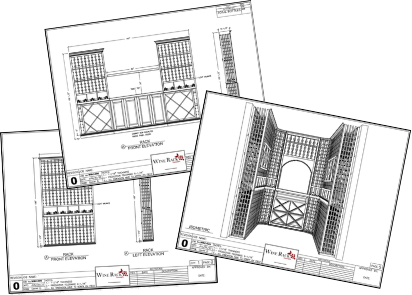
Free 2D wine cellar design