Long term wine storage temperature and where to store your wine

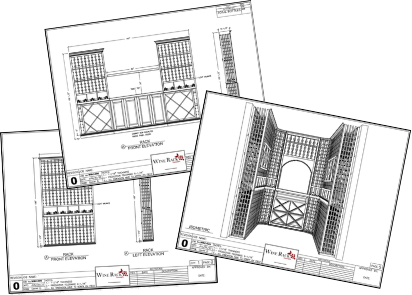
*Pictures are renderings. Actual wine racks may look different
A steady 55°F is often cited as close to perfect for long-term wine storage, while wine cellars typically sit between 55°F and 60°F. The right long term wine storage temperature matters, but so does keeping it consistent: frequent swings can affect the wine and cause cork movement.
Choosing a storage spot can seem simple until you consider temperature, humidity, light, and how long you plan to keep each bottle. This guide explains how those conditions affect aging, why cork-finished bottles are commonly stored on their sides, and what to look for in a suitable location. You'll learn when a cool, stable space may be enough and when dedicated wine storage could better support your collection.
Key Takeaways
- A stable cellar temperature around 55°F is a practical target for aging wine, while frequent changes can be more concerning than small, steady differences.
- Keep humidity in a suitable range to help protect corks, and store cork-finished bottles on their sides for long-term keeping.
- Avoid daily temperature swings greater than 3°F to reduce the chance of cork movement and stress on the wine.
- Choose a storage location based on consistent temperature, humidity, limited light, and minimal vibration, not convenience alone.
- If your home cannot maintain steady conditions, wine cellar cooling can help create a more controlled environment for a dedicated storage space.
Table of Contents
Wine storage humidity
For long-term wine storage, aim for humidity near 70%, a conventional ideal. A range between 50% and 80% is considered safe. Keep bottles away from direct light, especially ultraviolet rays, which can harm wine's delicate flavors and aromatics.
Humidity matters most for bottles sealed with natural cork. Very dry air can dry the exposed cork, causing it to shrink and potentially letting more air reach the wine. Excessively damp conditions can encourage mold on labels and storage surfaces. Neither extreme helps preserve a collection, so focus on stable conditions rather than chasing a perfect reading every day.
Wine Guardian recommends an average relative humidity of 60% for wine storage. This is slightly below the conventional 70% target, but still within the 50% to 80% safe range. Relative humidity describes the moisture in the air compared with the maximum moisture it could hold at that temperature. A hygrometer can help track the cellar's readings and reveal persistent changes.
Use these practical checks to assess humidity and light in a wine cellar:
- Place a hygrometer near the bottles, then compare readings over time instead of reacting to one measurement.
- Keep the storage area away from direct sunlight and ultraviolet exposure, including bright windows.
- Look for damp patches, condensation, or mold on walls, labels, and shelving, especially after seasonal weather changes.
Location matters, too. A bottle stored beside a frequently opened fridge may be exposed to changing air conditions, while a dark interior cellar can limit direct sunlight. If room humidity shifts with outdoor weather, note whether the change is brief or persistent. A controlled environment helps maintain useful humidity without relying on occasional adjustments.
Bottle position supports cork care but does not replace humidity control. For long-term storage, bottles with cork closures are commonly kept on their sides so wine remains in contact with the cork. Screw-top bottles do not rely on a cork to seal them. For a mixed collection, consider closure type and storage duration when choosing bottle orientation, while keeping the cellar environment consistent.
Humidity is only one part of preserving wine. A bottle may still be affected by light, temperature, or vibration, even when a hygrometer reads 60% or 70%. A fridge is designed to chill food, not to maintain a wine cellar's combined storage conditions. If the wine will be served soon, short-term chilling is a separate task from long-term storage.
Ideal long-term wine storage temperature
For long-term aging, consistency matters more than choosing a separate temperature for every wine style. A cellar near 55°F offers a practical reference point, with temperature range and storage duration guiding the final setting.
Storage Temperatures by Wine Type
Long-term storage generally calls for a shared, stable temperature for red, white, and sparkling wines. This simplifies storage and helps prevent bottles from experiencing avoidable temperature shifts when moved between spaces.
Some storage recommendations give red wine a range of 55°F to 65°F, whites 45°F to 55°F, and sparkling wine 45°F to 50°F. Those differences can be useful when selecting a cooler for near-term serving, but long-term aging guidance favors storing red and white wines the same way. Serving temperature is a separate decision.
Safe Temperature Range for Storage
A temperature range of 45°F to 65°F is recommended for wine storage. Within that broad range, about 55°F is often cited as close to ideal, while 55°F to 60°F is typical for wine cellars.
Think of the wider range as a boundary, not a reason to shift settings frequently. Wines stored above 70°F can age faster than is usually desirable, and temperatures above 68°F can accelerate oxidation and quality loss. A steady setting near the cellar target gives a mixed collection a consistent environment, whether bottles are opened soon or kept for aging.
Cellar and Wine Fridge Settings
Set a wine cellar or wine fridge near 55°F for long-term storage; Wine Guardian recommends 55°F to 57°F for a wine cellar. A shared setting suits a collection of reds, whites, and sparkling bottles better than repeatedly changing the temperature for each type.
If a cooler has separate zones, use them only when your storage needs call for different settings. A kitchen fridge is colder than recommended for extended wine storage, making it better suited to short-term chilling than aging a collection. A restaurant holding bottles for service also has different needs from a home cellar storing wine over time.
After long-term storage, bring wine toward serving temperature gradually rather than exposing it to abrupt heat. For a red stored in a colder environment, allow about half an hour at room temperature before serving. White wine can go into the refrigerator about 30 minutes before serving. The ideal timing depends on its starting temperature and the serving temperature you want.
If your collection needs a dedicated, stable environment, wine cellar design planning can help align the storage space with your bottles and cooling needs.
Temperature fluctuations and cork movement
Wine can tolerate small daily changes, but storage swings greater than 3°F should be avoided. Repeated movement between warmer and cooler conditions can stress the bottle's seal, especially when temperatures change quickly.
Temperature changes affect both the wine and the air inside a bottle. As wine warms, it expands; as it cools, it contracts. Repeated expansion and contraction can push or pull against the cork, causing it to shift. A compromised seal may let oxygen enter, affecting the wine's development and flavor.
That process makes a steady cellar environment more useful than a setting that repeatedly rises and falls. For example, a storage space beside a sunny window may warm during the day and cool overnight. A location near a frequently opened exterior door can face similar changes during weather shifts. The daily limit of 3°F provides a practical point for evaluating these patterns.
How Fluctuations Can Affect Wine
Heat and repeated temperature changes can speed unwanted aging and contribute to quality loss. Wine stored above 68°F can experience accelerated oxidation, while temperatures above 70°F can make wine age faster than is usually desirable. These effects make prolonged warmth different from a brief change as you prepare a bottle for serving.
Reds and whites both benefit from steady storage, even though their serving temperatures differ. A Sauvignon Blanc moved from a cool cellar to a warmer kitchen for dinner undergoes a short-term change. Storing it regularly in a room that warms each afternoon is different: the bottle experiences repeated cycles.
Temperature is not the only source of disturbance. Vibration can agitate sediment and may speed chemical reactions inside the bottle. A wine rack beside a washing machine, for example, combines movement with a location that may also experience changing warmth. Choose a stable area away from appliances and direct heat sources.
To assess your storage conditions, place a thermometer near the bottles and compare readings across the day. Note whether sunlight, heating, or door use aligns with the highest readings. If the temperature repeatedly changes by more than 3°F in a day, move the collection to a steadier space or improve temperature control. Focus on the pattern, not just a single reading.
Cork movement is a warning sign to consider alongside seepage or a visibly displaced cork. It does not prove the wine has spoiled, but it can indicate that the seal has been stressed. Keeping bottles away from heat and repeated temperature swings helps protect their intended aging conditions.
Why temperature affects wine aging and flavor
Temperature affects the pace of chemical changes inside a bottle. A consistent cellar environment helps wine develop gradually, while excess warmth can alter that timeline and the wine's flavors.
Temperature Stability During Aging
Temperature stability means keeping wine near a steady cellar setting rather than exposing it to repeated warm and cool cycles. This matters because temperature influences the rate of reactions that gradually change a wine's aroma, structure, and taste.
At room temperature, wine-aging reactions can happen two to three times faster than at cellar temperature around 55°F. A bottle kept consistently near 55°F therefore develops at a different pace than one left in a warm room. Consistency helps preserve a measured aging process rather than accelerating it unpredictably.
Temperature also affects how long fresh fruit character remains prominent. Wines stored above 60°F can age more quickly and lose fresh fruit character sooner. For example, a bottle intended to retain bright fruit flavors may develop differently if stored in a warm kitchen instead of a cooler cellar.
Temperature and Aging Suitability
A wine's suitability for aging describes whether it can evolve positively over time, not simply withstand storage. Temperature supports that evolution, but it cannot make every bottle suitable for extended aging.
Wines suited to aging can evolve and improve for years or even decades after bottling when stored properly. Time in the bottle and storage conditions both shape the result. Most wines are best enjoyed within a few years of release, so a cellar is not automatically necessary for every purchase.
Consider the wine's intended drinking window before setting aside bottles. If a wine is meant for near-term enjoyment, storing it for years may not produce a better experience. For a bottle selected for aging, a stable environment around 55°F supports gradual development and lets its flavors change over time.
Heat is only one environmental influence. Sunlight, particularly ultraviolet rays, can harm delicate flavors and aromatics, so a dark storage location matters alongside temperature. A kitchen refrigerator typically keeps food around 35°F to 37°F, making it useful for chilling rather than maintaining cellar-style aging conditions.
Think of cellar storage as protecting a wine's opportunity to develop, not as a guarantee of improvement. A suitable bottle kept around 55°F may gain complexity over time, while a wine intended for early drinking may simply be ready to enjoy. Match the storage period to the wine's aging potential, and keep temperature consistent throughout.
Recommended long-term wine storage temperature
For a mixed collection, aim for a steady cellar setting near 55°F. The recommended range for wine storage is 45°F to 65°F, but the cooler middle of that range better supports gradual aging. Focus on a stable setting rather than changing it for each bottle's color or serving style.
Wine Guardian recommends keeping a wine cellar at 55°F to 57°F for wine storage. That narrow target gives red, white, rosé, sparkling, sweet, and fortified bottles a shared long-term environment. A single consistent setting also avoids cycling a collection between temperatures each time you rearrange or access bottles.
Published temperature ranges vary by wine style, so use them as context rather than as separate long-term targets:
- Red wine storage recommendations include 55°F to 65°F.
- White wine and rosé recommendations include 45°F to 55°F.
- Sparkling wine recommendations include 45°F to 50°F.
- Sweet and fortified wine recommendations include 55°F to 60°F.
These ranges overlap, while long-term storage guidance recommends treating red and white wines alike. For example, a cellar near 55°F sits within the listed ranges for reds, whites, rosé, and sweet or fortified bottles. It falls just above the listed sparkling range, but still within the broad 45°F to 65°F storage range.
For storing wine over time, avoid treating a household refrigerator as a cellar. Its average temperature is below 45°F, colder than recommended for wine storage. A kitchen refrigerator can chill a bottle before serving, but its colder setting is not the same as a dedicated, steady long-term environment. Moving bottles repeatedly between a fridge and cellar also makes storage less consistent.
Humidity and temperature work together, but they answer different storage needs. A cellar target near 55°F addresses temperature; a relative humidity around 60% is Wine Guardian's recommendation for wine storage. If one area is a few degrees warmer than another, assess whether that difference persists across the day. Avoid choosing a space based on a single reading taken during a cool morning or evening.
The practical takeaway is simple: choose a steady setting near 55°F, keep it within the 45°F to 65°F range, and store different wine styles together. Use separate serving temperatures when opening bottles, not repeated temperature changes during aging. A cellar that holds a consistent setting matters more than fine-tuning each shelf by wine type.
Wine Rack Concepts: Wine Cellar Cooling
Wine Rack Concepts, LLC offers wine cellar cooling to help maintain controlled conditions for a collection stored over time. If a basement, closet, or spare room cannot maintain a steady environment, dedicated cooling can help make it more suitable for wine storage.
For a complete storage space, a custom wine cellar can bring cooling and bottle storage together. The right approach depends on the room and how you want to arrange your collection, whether you need practical storage or a considered display. Stable conditions start with a space designed around the bottles it will hold.
Contact Wine Rack Concepts, LLC to discuss wine cellar cooling or a custom cellar for your collection.
Plan a storage space that grows with your collection
Your wine collection may grow as you discover new regions, bring home special bottles, or decide to keep certain vintages longer. Think beyond the bottles you own today: consider where the collection will live, how you'll access it, and whether the space can support your plans over time. This context helps make your chosen long term wine storage temperature part of a practical, cohesive storage plan.
Wine Rack Concepts, LLC can help you plan how a dedicated space and its storage arrangement work together. Whether you're adapting an existing room or envisioning a wine cellar, the goal is to make the environment and layout suit your collection. Thoughtful planning can make bottles easier to organize and enjoy while giving your space a considered look.
Start planning a wine storage space that reflects how you collect and enjoy wine.
Frequently Asked Questions
What's the Ideal Wine Storage Location?
Choose a dark, quiet space that stays cool and steady, such as an interior cellar away from sunny windows and household appliances. A basement corner may work if temperatures remain consistent and moisture does not collect on the walls. Avoid placing bottles beside a furnace, laundry machine, or frequently opened exterior door. These locations can expose wine to heat, vibration, or changing conditions that a stable storage area helps avoid.
What's the best way to store my wine?
Store bottles in a stable, dark place, and lay cork-finished bottles on their sides for extended storage. This position keeps wine in contact with the cork. Choose a rack that supports bottles securely and makes labels easy to identify without repeatedly moving the collection. For example, group bottles by region or drinking plans, then keep an inventory so you can find a specific vintage with less handling.
What is the ideal temperature for long-term wine storage?
A setting near 55°F is a useful target for a long-term collection. The broader recommended range is 45°F to 65°F, while Wine Guardian recommends 55°F to 57°F for a wine cellar. For a mixed collection, choose one steady setting rather than changing it for reds, whites, or sparkling bottles. Use different temperatures when preparing bottles for serving.
How does storage temperature affect wine aging and quality?
Temperature changes the pace of chemical reactions inside wine, affecting how its aromas and flavors develop. At room temperature, aging reactions can occur two to three times faster than at cellar temperature around 55°F. Wine stored above 60°F can age faster and lose fresh fruit character sooner. For a bottle you plan to keep, steady storage supports a more gradual evolution than a warm, fluctuating location.
What are the risks of storing wine too warm or too cold?
Excessive warmth can accelerate aging, oxidation, and quality loss; wine stored above 70°F may age faster than is usually desirable. A typical household refrigerator is colder than recommended for extended storage, averaging below 45°F. It can chill a bottle for near-term use, but it isn't a cellar substitute for aging. Also avoid repeated swings, since they can stress the cork and seal.
How should wine be stored in a refrigerator, cellar, or wine fridge?
Use a cellar or wine fridge for bottles being kept over time, with a steady setting near 55°F. A household refrigerator is better for chilling wine you expect to drink soon; its usual setting is too cold for extended storage. Keep long-term bottles away from refrigerator doors, where opening and closing introduces temperature changes. Before serving, allow a chilled bottle to move gradually toward its intended serving temperature.
Have an expert help today!
Free 2D wine cellar design