How to Display Prized Wine Bottles and Keep Labels Visible

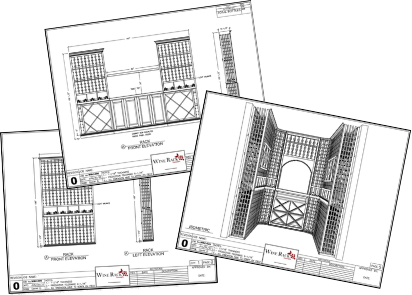
*Pictures are renderings. Actual wine racks may look different
Label-forward racks, angled rows, and display shelves make prized bottles easy to see while keeping the collection organized. For bottles you plan to store or age, choose horizontal or angled storage to keep the wine in contact with the cork. Knowing how to display prized wine bottles means balancing visibility with a setup suited to both the bottles and the space.
A treasured vintage deserves more than a place at the back of a cabinet, but display should not come at the expense of thoughtful storage. Use racks, label-forward bins, angled rows, focal-point arrangements, and shelves to bring bottles into view. Each option creates a different effect, whether you're highlighting special labels, organizing a larger collection, or making wine part of the room's design.
Key Takeaways
- Choose a rack layout around your priority: storing more bottles or keeping individual labels easy to browse.
- Use label-forward storage to make bottles easier to identify, and consider diamond bins as an alternative to rectangular compartments.
- Angled rows can bring labels into view while keeping bottles positioned for storage.
- Give prized vintages a focal point, using scale and placement to make the display feel intentional.
- Use shelves to highlight selected bottles alongside decanters or artwork, while keeping the overall arrangement balanced.
Table of Contents
1. Displaying bottles on wine racks
Choose wine racks that keep bottles horizontal, stable, and out of direct sunlight. Horizontal storage keeps wine in contact with the cork, helping it stay moist and reducing the chance of air entering the bottle. When planning how to display prized wine bottles, balance visibility with practical storage: bottles should be easy to identify and reach without disturbing their neighbors.
For a closer look at protecting a collection during storage, watch this video:
Keep collectible bottles out of direct sunlight. Choose display lighting that does not shine directly on the bottles, and switch it off when you're not viewing the collection. This keeps labels visible while limiting light exposure.
For climate-controlled cellars or wine fridges, a recommended storage range is 56 to 59°F. Another home-storage recommendation gives 45 to 65 degrees, so aim for a consistent environment. Keep humidity steady rather than allowing the area to become unusually damp or dry.
Protect valuable bottles by choosing a location away from sunlight, heat sources, and vibration. Avoid placing a rack on top of a refrigerator, which gives off heat and vibrates during operation. A wall near the kitchen can work for display, provided bottles stay clear of appliances and strong sunlight from nearby windows.
To secure expensive bottles at home, place the rack in a low-traffic area, away from children and pets. Keep particularly valuable bottles on a stable rack rather than an exposed ledge. A cabinet or room that can be closed off adds a physical barrier around the display.
Bottles can stand upright temporarily for serving or display, but horizontal storage is preferable for longer-term keeping. Return bottles to their sides afterward so the wine remains in contact with the cork.
A perimeter wine wall can turn an unused stretch of wall into organized storage and display. Plan around doorways, windows, and the paths people take through the room. A wall near the kitchen keeps a collection visible, while a recessed wall or under-stair area can make use of overlooked space.
Floor-to-ceiling wine racks suit larger rooms where the collection can become a visual feature. Keep bottles aligned in rows, with special labels visible and easy to reach. In a small room, a compact wall display may use the available space more effectively than a freestanding rack.
For a DIY rack, measure the wall or recess and decide how many bottles the display should hold. Sketch the rows, leaving enough room to place and remove each bottle, then build a stable frame with horizontal supports. Test it with a few bottles before filling it, and position it away from sunlight and heat. These practical choices help you display prized wine bottles while keeping storage needs in view.
2. Using label-forward racks, bins, and cubes
A label-forward wine rack makes bottle labels the focus of the display. Each bottle rests horizontally with its label facing outward, so you can scan vintages without lifting or rotating them. Group bottles by producer, region, or occasion. For example, put a special anniversary bottle at eye level and arrange neighboring bottles by winery.
Before loading a rack, sort the collection into groups that make sense to you. Organizing by producer makes familiar labels easy to find, while grouping by region creates a visual sequence across the wall. Keep labels aligned in each row. Consistent placement makes the display feel deliberate and lets you identify bottles at a glance.
Bins and cubes create a different look. Rectangular bulk-storage compartments hold multiple bottles stacked together, which can suit a larger collection but may hide labels behind the front row. Diamond bins arrange bottles in a diamond-shaped opening instead. Choose the layout based on whether you want compact groupings or a clearer view of individual bottles.
For a mixed setup, reserve label-forward rows for bottles you want to browse, then use bins for bottles you select less often. A cube near a tasting area could hold everyday selections, while a label-facing rack across the room highlights collectible vintages. Keep the display easy to read by avoiding random bottle orientations within a section.
Leave enough open space around labels to keep them visible. Bottles placed too close together can obscure names, especially when labels wrap around the glass or vary in size. Arrange similar bottle shapes together where possible, then place broader or taller bottles at the ends of a row. This creates a cleaner line without hiding distinctive labels.
If the original bottle is part of the display, keep its label attached and facing forward. Removing a label is more useful when you want to preserve it separately from an empty bottle. Warm, soapy water can help loosen a wine label. Work slowly, then let the label dry flat before placing it in a collection or display.
For example, a label from a memorable celebration can sit beside a photograph or tasting note, while the bottle stays stored with its label intact. Not every bottle needs the same treatment: a collectible label may be part of the bottle's appeal, while an empty bottle can serve as a keepsake on a shelf.
When a wall display needs to balance bottle capacity and label visibility, sketch the planned rows before arranging the collection. Mark where each group will sit, then test the layout with a few bottles. Wine display layout planning can help translate that arrangement into a cohesive room feature.
3. Angled display rows
Angled display rows offer a middle ground between a flat label-forward rack and a conventional horizontal row. Bottles sit tilted, bringing their labels into view while keeping wine in contact with the cork for storage and aging. This format suits a cellar where you want to recognize a prized vintage without lifting bottles from their positions.
Should wine bottles be displayed horizontally or vertically? For storage, horizontal or angled positioning is preferable because it keeps wine in contact with the cork. Vertical placement can show a label clearly, but it does not provide the same cork contact for ongoing storage.
Start by deciding which bottles deserve the most visible positions. Place a notable vintage or a bottle saved for a celebration in the display row, then group nearby bottles by producer or region. Keep labels facing outward as you load the rack. A consistent tilt creates a composed look, while mixed orientations can make the arrangement feel crowded.
The angle also affects how the display looks from across the room. In a narrow passage, labels facing the approach make browsing natural. In a dining area, direct labels toward the table or main seating. Before filling the rack, hold one bottle in the planned position and view it from those spots. Adjust the display direction to suit the room.
Angled rows work especially well for selected bottles rather than an entire large collection. For example, feature a small group of special vintages at eye level, then keep the rest of the collection in separate storage. This visual hierarchy draws attention to particular labels without making the whole cellar compete for notice. Repeating bottle shapes can also make an angled row look orderly.
Plan for access as well as appearance. Leave enough clearance to remove one bottle without knocking against its neighbors, and avoid placing a frequently selected bottle behind another. When the rack is full, test removing a bottle from each end and from the center. If labels are visible but retrieval feels awkward, revise the spacing or row position.
Angled storage can bring the bottle neck and label into view, so decide what you want the display to emphasize. Bottles from one producer highlight a consistent label design; a varied selection creates contrast through different colors and shapes. Either way, align the bottle supports so each bottle rests securely rather than leaning against adjacent glass.
Use angled rows as a deliberate display feature, not as a reason to overlook storage conditions. Keep the rack away from direct sunlight and heat sources, and maintain a consistent cellar environment. With that balance, selected labels stay visible while bottles remain arranged for storage.
4. Creating a focal-point display for prized vintages
A focal-point display gives a standout vintage a clear place in the room. Start by choosing the bottle or group you want guests to notice, such as a milestone-year gift or a label from a memorable trip. Position it where the room naturally draws the eye, rather than among everyday storage that competes for attention.
Build the arrangement around the bottles' visual character. A striking label can stand out against a simple background, while bottles with different glass colors can create contrast together. Keep the display deliberate: align labels, leave space around the featured vintage, and avoid crowding it with unrelated objects.
Scale matters. Lighted display boxes and empty wine-bottle chandeliers tend to look grander when used on a larger scale. A large dining room may suit a broad installation, while a compact alcove can make a single display box feel intentional. Match the arrangement's visual weight to the surrounding wall, ceiling, and furniture.
Use the room's existing lines to guide placement. A display above a console can echo the furniture's width, while a recessed wall can frame bottles so they feel intentional. If the focal point sits near artwork or a dining table, leave enough visual separation for each element to remain clear.
For a custom display, sketch the wall before arranging bottles. Mark the focal area, surrounding objects, and the direction visitors approach from. Then test the composition with empty bottles or paper cutouts shaped like bottles. This simple mockup can reveal awkward gaps or crowded edges before you settle on a layout.
Choose supporting objects that connect to the collection. A decanter, framed tasting note, or small piece of winery memorabilia can add context. Keep these items secondary so the prized vintage remains the first thing people notice. For example, a framed note from a vineyard visit can help tell the story behind a special bottle.
A focal display should work as part of a wine collection, not just as room decor. Keep bottles stable and arranged for their intended storage, and avoid placing keepsakes where they obstruct access. If you rotate the featured selection, return each bottle carefully and preserve the arrangement's visual balance.
Before settling on the final composition, view it from the doorway and main seating area. Adjust bottle positions until labels and shapes read clearly from both viewpoints. A considered focal point makes a prized vintage part of the room's design while keeping its personal story close at hand.
Wine display shelves can showcase individual bottles, special vintages, decanters, or artwork. Store fine wine horizontally to keep corks moist and help prevent air from entering the bottle. Avoid putting a candle directly into a wine bottle's top, since wax can make cleanup difficult.
5. Display shelves
Display shelves give selected bottles room to stand out without filling an entire wall. Use a shelf to showcase a special vintage, a decanter, or artwork connected to the collection. For example, a bottle from a memorable vineyard visit can sit beside a framed tasting note, creating a small display with a personal story.
Choose between shelves integrated into a wall-mounted rack and a standalone unit. A wall-mounted arrangement can use vertical space, while a freestanding shelf can anchor a dining-room corner. Match the choice to the available wall space and how often you want to reach the bottles.
Plan the shelf around what it will hold. A bottle display may include different bottle colors and sizes, but placing every shape in one tight row can look crowded. Group similar bottles, then use a distinctive bottle as a visual accent. Leave open space around a featured label so it remains easy to see.
Think of each shelf as a small composition. Place bottles toward the back, then position a decanter or framed artwork where it will not block them. A decanter can add height beside shorter bottles, while a flat artwork piece can provide a backdrop. Limit decorative objects so the wine remains the focus.
A framed letter paired with a row of bottles can spell a bride's, guest's, or honoree's new last name. This arrangement makes a personal celebration display, especially on a shelf near the gathering space. Align the bottles beneath the letter and face labels outward, so the name and collection read as one deliberate feature.
For a festive shelf, an empty wine bottle filled with Christmas lights adds a warm decorative element. Keep it separate from bottles intended for storage, and make the light-filled bottle an accent rather than mixing it into the collection. The contrast between a glowing empty bottle and intact wine bottles can make the display feel seasonal.
Place the shelf where the display is easy to appreciate. A shelf above a console might be viewed from the entry, while one near a dining table draws attention during a meal. Arrange labels toward those sightlines, and check the composition from across the room, not just up close.
Before placing prized bottles, arrange empty bottles and decorative pieces first. Adjust the spacing until labels, glass colors, and artwork have a clear visual order. Then place the wine carefully and keep the shelf free of unrelated objects that could distract from the collection.
Wine Rack Concepts: Wine Racks
Wine Rack Concepts, LLC can help turn your display plan into a wine rack layout suited to your collection and room. If you want labels visible across a wall, explore the Wall Wine Rack Series; for a larger project, a custom wine cellar can bring storage and display together. Wine cellar cooling can also support a cellar designed to store wine while keeping it on view.
Consider this next step when a freestanding shelf no longer suits your collection, or when you're planning a feature wall and want the display to work with the room. Share your goals and the space you're working with to start shaping a practical design.
Contact Wine Rack Concepts, LLC to discuss your wine display plans.
Shape a Display That Grows With Your Collection
Your collection reflects changing tastes, memorable occasions, and the stories behind each bottle. Let the display evolve with it. Revisit which bottles deserve attention, how you use the room, and whether the arrangement still feels balanced. A thoughtful approach to displaying prized wine bottles treats the setup as a living part of the home, not a fixed backdrop.
Before making changes, note what you want the display to do next. Perhaps you're setting aside space for a new acquisition, creating a more personal feature in a dining area, or making room for future growth. Those priorities can guide the layout and help each bottle feel intentionally placed.
Give your collection a setting that feels considered today and leaves room for the stories still to come.
Frequently Asked Questions
What are the best ways to display prized wine bottles at home?
Separate bottles you regularly enjoy from those you want to feature. Create a display zone for special bottles and a separate area for everyday selections, so frequent access does not disrupt the arrangement. For example, group bottles by occasion, such as gifts and travel keepsakes, and keep a simple inventory nearby. This makes choosing a bottle easier while keeping the display connected to your collection's stories.
What are the best wine display racks, cabinets, and cases for collectibles?
The right choice depends on whether you prioritize visibility, enclosure, or portability. Open racks suit collections you want to browse, while a cabinet creates a contained presentation. A case can work for a small group of bottles displayed together. Before choosing, consider the available space, how often you'll handle the bottles, and whether the display should blend with existing furniture or stand out as a feature.
How do you display wine bottles with labels facing out?
Arrange each bottle so its front label faces the main viewing area, then keep neighboring bottles aligned for a consistent presentation. If the display is viewed from a doorway, orient labels toward that approach; for a dining area, face them toward the seating. Group bottles with related producers or occasions together. A written inventory can help identify bottles whose labels are partly obscured without repeatedly moving them.
Have an expert help today!
Free 2D wine cellar design