High Reveal Display Rows for Wine Bottles with Case Storage

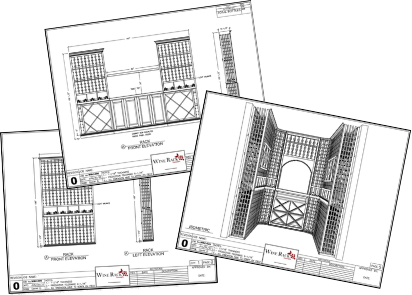
*Pictures are renderings. Actual wine racks may look different
High reveal display rows for wine bottles keep labels in view while the wine remains in contact with the cork. These angled rows present selected bottles clearly, while horizontal label-forward rows offer another way to make bottles easy to browse. The right arrangement depends on how you want to display and store your collection.
It makes sense to want a display that's easy to read at a glance while still making practical use of cellar space. This guide explains how high reveal rows work, how single and double configurations differ, and how display rows can be paired with bottle and case storage. You'll also see how to think through the layout in relation to your collection size, preferred presentation, and the space available, so the finished display feels considered as well as functional.
Key Takeaways
- Angled display rows keep labels visible while positioning bottles so the wine remains in contact with the cork.
- Choose a single or double configuration based on your display priorities, collection size, and available space.
- Explore how display rows can pair with case storage, including combinations with stated capacities of 114 and 152 bottles.
- Plan shelving dimensions around the bottles you store, the room layout, and how you want to access and view your collection.
- Compare shelving materials for their appearance, durability, and fit with the overall cellar design.
Table of Contents
High-reveal label-forward wine displays
High-reveal display rows for wine bottles hold each bottle at an angle, with the label facing outward and the wine still in contact with the cork. This brings selected bottles into view without needing to lift or turn them while browsing. A featured vintage, regional grouping, or tasting selection can all benefit from this presentation.
Unlike standard wine shelving, high-reveal rows make each displayed label the visible face of the bottle. Standard horizontal shelving may store bottles with corks facing outward or labels turned away, so identifying a bottle can require more handling. Label-forward shelves also show labels, but high-reveal rows present bottles at an angle rather than horizontally.
This difference matters when planning a cellar for both display and storage. A high-reveal row can spotlight a small selection, while nearby horizontal racks hold bottles you access less often. For example, display a current tasting selection in the angled row and group reserve bottles by region on conventional shelving. This separates browsing from longer-term organization without turning every bottle into a display piece.
Before choosing a row, decide which bottles should be visible and how often you'll reach for them. Then plan the display beside the storage that suits the rest of your collection:
- Use angled rows for bottles you want to recognize at a glance.
- Choose label-forward horizontal shelves when outward-facing labels matter, but an angled display isn't needed.
- Use cork-forward storage when you prefer to see bottle ends rather than labels.
Safety depends on matching the shelving system to its intended load and installing it as directed. Follow the manufacturer's load rating and attachment instructions, distribute bottles evenly, and secure wall-mounted shelving to suitable structural support. Don't exceed the stated capacity or leave an unstable unit unsupported. Place freestanding displays on a level surface and keep access clear when loading or removing bottles.
Plan the load before filling the display. Bottles add weight across every occupied position, so an empty rack may not show how the installed system will behave. Follow the product instructions for loading sequence, and check that the rack remains stable as you add bottles. If your cellar combines display rows with case bins or other storage, account for each component's load and attachment method. A careful layout keeps labels visible, access practical, and the display suited to your collection.
Single and double display configurations
A single configuration gives one display row a distinct visual role. It can frame a selected group without making the entire cellar feel like a presentation wall. For example, place a single row above case storage to distinguish bottles chosen for an upcoming dinner. The surrounding shelves can serve the broader collection. This arrangement suits a focal point, a narrow wall, or a layout approached from one direction.
A double configuration places two display rows together to create a broader presentation area. It can help organize a collection by producer, region, or drinking occasion. For instance, reserve one row for wines from a particular region and the second for bottles planned for near-term enjoyment. The paired rows make the groups easy to scan while giving each category its own visual line.
Neither arrangement is automatically better. The right configuration depends on personal preference, collection size, and practical needs. A single row may suit a compact display area, while two rows can work when you want more bottles visible together. Available wall or floor area, nearby storage, and how people move through the room all affect the choice.
- Choose one row when a compact focal display matters most.
- Choose two rows when you want to present distinct groups together.
- Plan access so reaching one bottle doesn't obstruct another.
Sketch the wall before choosing a layout. Mark the display area, nearby doors, counters, and storage sections. Note which bottles belong in view and which can stay in standard storage. A tasting room, for example, might place featured bottles where guests can see them, while a home cellar might use the display to highlight a personal collection. This plan helps you decide whether one row is enough or two rows better support the intended grouping.
Consider how the rows relate to the rest of the cellar. A double display can feel balanced beside taller storage, while a single row may leave room for a shelf or artwork. Keep the display's purpose specific: showcase selected bottles, make a category easy to browse, or create a visual transition between storage zones. For a layout shaped around your room and collection, custom cellar design planning can help translate those priorities into a cohesive arrangement.
Bottle orientation is another detail to include in your display plan. Cork-forward wine racks store bottles horizontally with the cork facing forward, a configuration intended to help maintain the seal and prevent the cork from drying out. Consider this alongside each row's visual role so the arrangement supports both the grouping and storage plan. Coordinate the display with surrounding storage rather than treating it as an isolated feature.
Before settling on a single or double configuration, decide which bottles should be easiest to identify and reach. A focused selection can occupy one row, while two rows can separate categories you want to browse independently. If the display includes cork-forward racks, account for their horizontal bottle orientation in the layout. Aim for a clear presentation that fits the room, preserves access to nearby storage, and gives each group a defined place.
How many wine bottles fit in a high-reveal display row?
There isn't one capacity that applies to every display row. Bottle count depends on the rack's column layout and whether the configuration combines display positions with case or cube storage. A column count describes the rack's structure, not a guaranteed number of visible bottles. Check the specific configuration's stated capacity before planning your display.
Combined units illustrate why those figures need context. A six-column high-reveal and case-bin combination is listed with capacity for 114 bottles. An eight-column high-reveal and case combination is listed with capacity for 152 bottles. Those capacities describe the listed combinations, not necessarily the number of bottles presented label-forward.
Case storage affects how a unit's total capacity is divided. Some bottles occupy the angled display area, while others fit in the case-storage section. A higher total capacity doesn't automatically mean more visible labels. When choosing a layout for a cellar, tasting room, or feature wall, distinguish display positions from case-storage capacity.
Use this planning sequence to estimate what your display needs:
- Decide how many bottles you want visible at once, such as a tasting selection.
- Identify whether the remaining collection needs case bins or another storage format.
- Compare the listed configuration capacity with the role each section will serve.
- Leave room for access, so retrieving one bottle doesn't disrupt the display.
For example, your collection may need a compact label-forward section plus case storage for bottles that aren't open selections. In that situation, combined capacity can be more useful than a display-only count. If every featured bottle needs a clear label view, prioritize the display positions first, then choose storage for the bottles that don't need to stay on show.
Column labels help compare configurations, but they aren't bottle counts. A four-column, six-column, or eight-column description identifies a layout format. It doesn't tell you how many bottles fit in each angled position or how many cases the companion storage holds. Consider the configuration's stated capacity together with its storage description.
Before finalizing a plan, make a simple inventory by display purpose. List bottles for immediate browsing separately from bottles intended for case storage. Then compare that split with the chosen unit's published capacity. The 114-bottle and 152-bottle examples show how total capacity can vary across combined formats, while the display-to-storage balance remains central to the decision.
The answer depends on the exact row and its paired storage. Use a display-only capacity when label visibility is the priority. For a combined unit, distinguish visible display bottles from total capacity. This helps you choose a configuration that fits both your collection and how you plan to use it.
What are typical dimensions for wine bottle display shelving?
Display shelf dimensions depend on bottle formats, row arrangement, and room layout. No single measurement suits every collection. Start by measuring the bottles you plan to display, then use those measurements to guide shelf width, depth, and height. A row for a consistent set of bottles may need a different plan from one holding varied shapes.
Measure the longest and widest bottles in your intended selection. Include bottles with distinctive shoulders or wider bases, not just the most common shape. Because an angled display changes how a bottle occupies space, account for its position rather than measuring it lying flat. This establishes practical dimensions for the display section.
Next, measure the available wall or floor area. Record its width and height, then mark nearby doors, counters, and storage. A wall beside a doorway, for example, may limit usable width or affect access. Allow room to reach and remove bottles comfortably. A shelf that fits on paper may feel awkward if you overlook how people move through the room.
Consider these dimensions separately during planning:
- Width: Match the row to the wall space and the intended number of display positions.
- Depth: Allow for the bottle's angled position and the rack's overall profile.
- Height: Relate the display to nearby storage and the room's usable wall area.
- Access: Preserve room to view labels and handle bottles without obstruction.
For a combined display and case-storage layout, measure both sections together. Case bins can change the unit's footprint and visual balance. Sketch the display row above, beside, or next to the planned case storage, then compare the outline with the available wall and access path. This helps prevent the display from crowding the storage section.
Before settling on a layout, draw a full-scale outline on paper or mark the proposed footprint on the floor. Place bottle outlines in the display area to test spacing and visibility. If the collection includes different bottle shapes, use the largest ones in the test. This makes tight clearances easier to spot before installation.
Keep measurements tied to the exact shelving configuration. Column count alone doesn't establish overall width, depth, or height. The bottle mix, display angle, storage combination, and room constraints all affect the fit. A measured plan gives you a clearer basis for comparing configurations and designing a display that works with the cellar.
What materials are best for wine bottle display shelving?
The best material depends on the display's role, room style, and storage plan. Wood can bring warmth to a traditional cellar, while metal can suit a contemporary layout. Glass can create a lighter visual effect around a display area. Compare each option with the bottles, surrounding finishes, and atmosphere you want.
Wood offers a natural visual presence. White oak, for example, can complement cabinetry, flooring, or a tasting table with a similar finish. Consider how the wood tone relates to nearby surfaces. A close match can create a unified room, while a contrasting tone can make the display row stand out.
Metal offers a different design language. Its slim visual profile can work well beside stone, glass, or modern cabinetry. Compare the rack's finish with the room's hardware and lighting fixtures. A coordinated finish helps the display feel intentional, while a contrasting one can define the bottle area as a feature.
Glass can make a display feel open, especially when sightlines matter. A glass wine enclosure, for example, can connect the bottle presentation with the surrounding room. Consider reflections, cleaning access, and how the display looks from different viewpoints. The material should support the room's visual plan, not compete with labels or nearby finishes.
Compare materials using practical questions:
- Visual fit: Does the finish complement or deliberately contrast with existing surfaces?
- Display purpose: Should the rack blend into the cellar or draw attention to selected bottles?
- Care routine: Can you reach the surfaces easily for ordinary cleaning?
- Overall layout: Does the material work with adjoining case storage and shelving?
Mixed materials can serve distinct roles. A wood display against a metal framework, for example, can balance a classic finish with a contemporary structure. Keep the combination purposeful by repeating one material elsewhere or using a clear contrast to frame the display. Too many unrelated finishes can make a compact cellar feel visually busy.
Before deciding, gather finish samples or reference images for the room. Compare them beside cabinetry, flooring, and lighting under the cellar's actual conditions. Then consider the display alongside adjacent shelves and storage. This helps reveal whether wood, metal, glass, or a combination best suits the collection and room design.
Wine display shelves can showcase individual bottles, special vintages, decanters, or artwork. They can be integrated into wall-mounted racks or standalone units. Choose a format that fits the room and presents the selected items cohesively with the surrounding materials.
Wine Rack Concepts: Wine Cellar Cooling
Wine Rack Concepts, LLC can bring display planning and wine cellar cooling together in a cellar designed to store and showcase a collection. Include cooling in the plan for a dedicated cellar, especially if the room will combine high reveal display rows for wine bottles with everyday bottle storage. Coordinating the cooling approach with the rack layout helps shape a space around presentation and storage needs.
For a broader project, custom wine cellar planning can bring display, storage, and cooling choices into one cohesive design. For a wall-based arrangement, the Wall Wine Rack Series offers another way to organize bottles as part of the room's design.
Contact Wine Rack Concepts, LLC to discuss your wine cellar plans.
Shape a cellar around your collection
A thoughtful cellar reflects how you collect, browse, and enjoy wine. As you plan high reveal display rows for wine bottles, consider the experience you want the room to create, from selecting a bottle to sharing it with guests. Display can be part of a larger setting, with storage and cellar conditions planned to support the space as a whole.
Wine Rack Concepts offers wine racks, wine cellar cooling, and custom wine cellar design. These services can bring the display and wider cellar plan together, whether you're refining one feature or designing a dedicated space for your collection. A clear design direction gives each choice a purpose and helps the finished room feel personal.
Your collection deserves a space that feels as considered as the bottles it holds.
Frequently Asked Questions
What is a high-reveal wine bottle display row?
A high-reveal row is an angled rack arrangement that presents bottle labels toward the viewer. It suits a curated group you want guests to browse, such as wines selected for a dinner. Unlike a plain storage shelf, the display prioritizes label visibility. The wine remains in contact with the cork, making this format useful when presentation and bottle storage share a space.
What display row height best showcases wine bottles?
Set the row at a height where labels are comfortable to view. Consider whether people will browse while standing or seated, along with counters, doors, and nearby shelving. A row above a tasting counter, for example, should be easy to see without requiring guests to lean or reach awkwardly. Plan its position around the room's sightlines, not height alone.
How should wine bottles be positioned in display rows?
Place each bottle in its intended angled slot, with the label facing outward and the wine remaining in contact with the cork. Before filling the row, test a bottle in each section to check label readability and comfortable access. Align labels consistently and group bottles by occasion or collection theme. For example, arrange a tasting flight in serving order so guests can follow the selection naturally.
Have an expert help today!
Free 2D wine cellar design